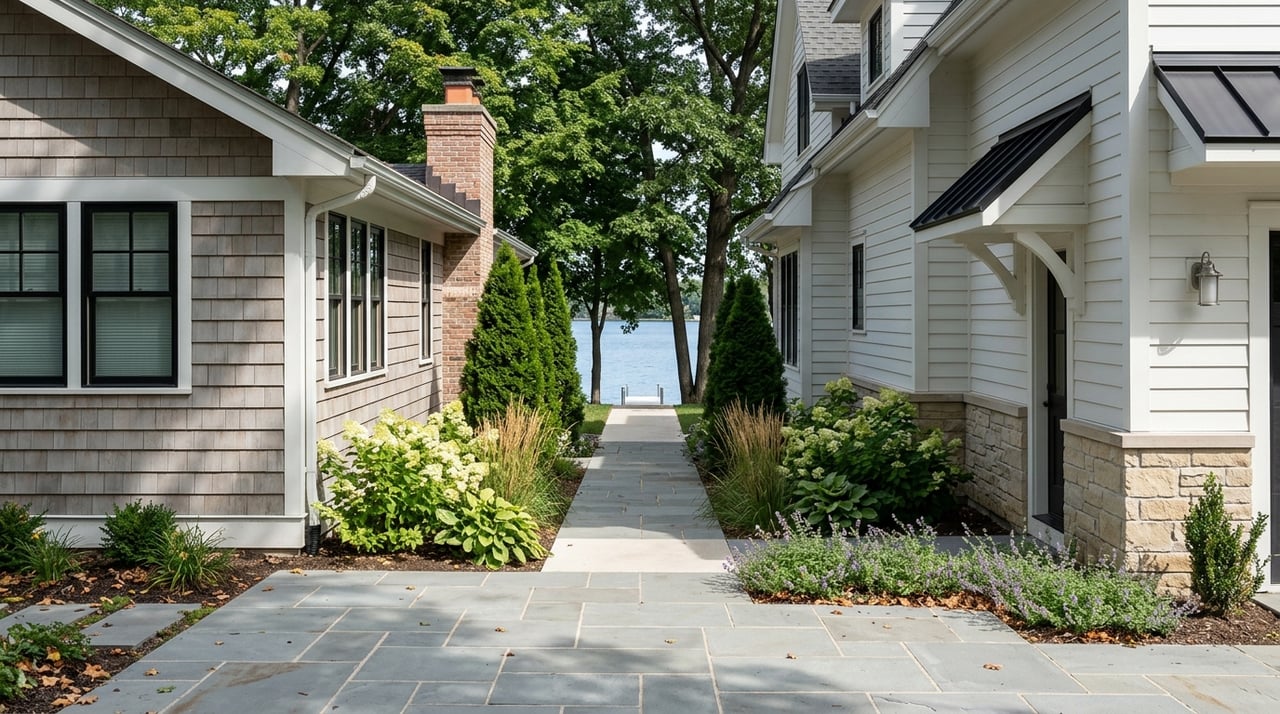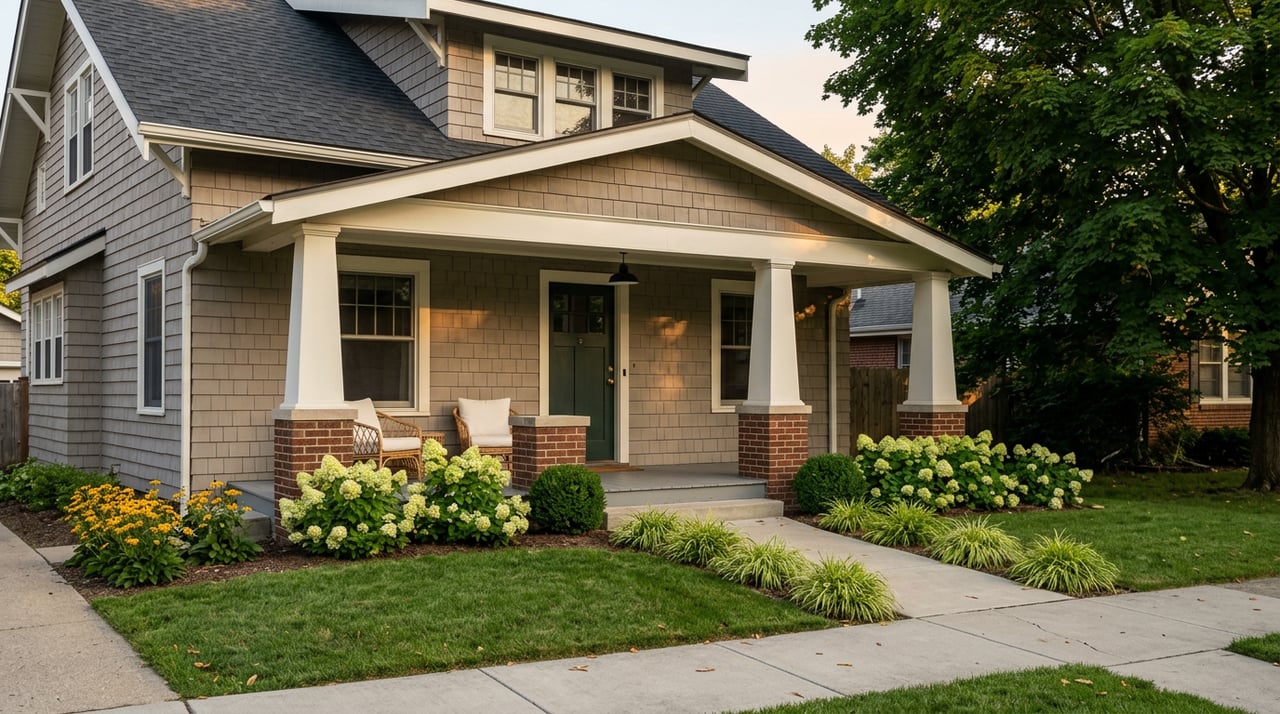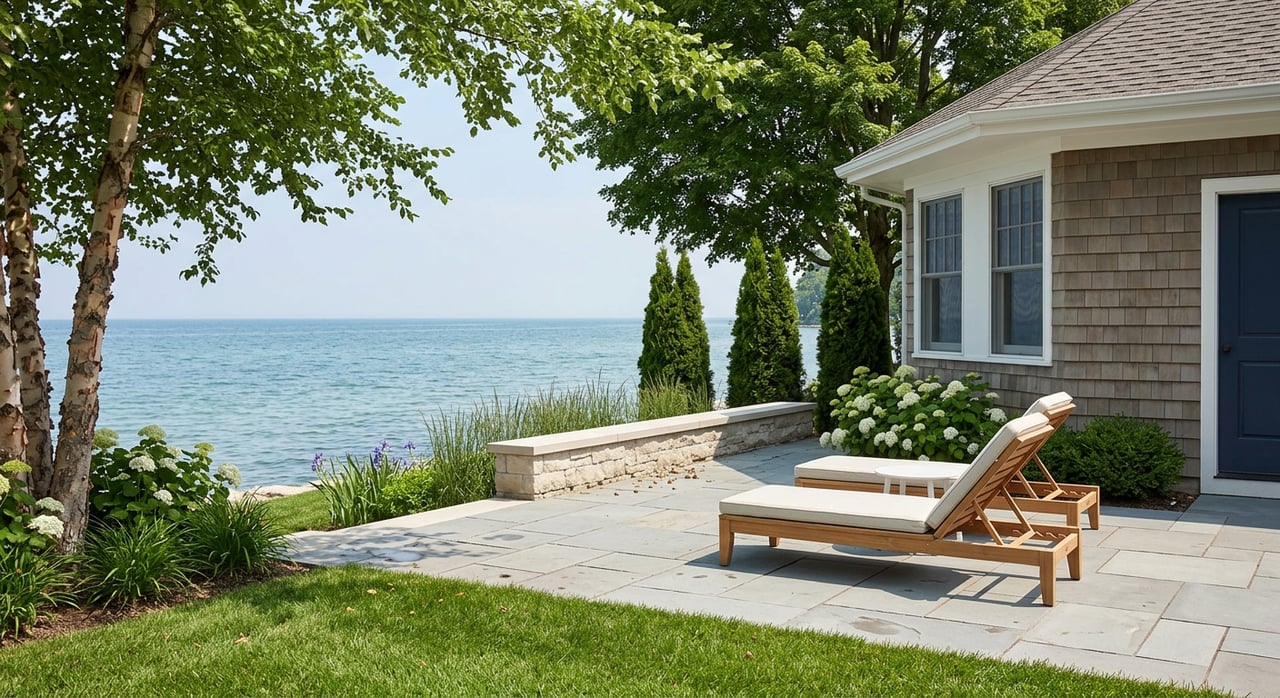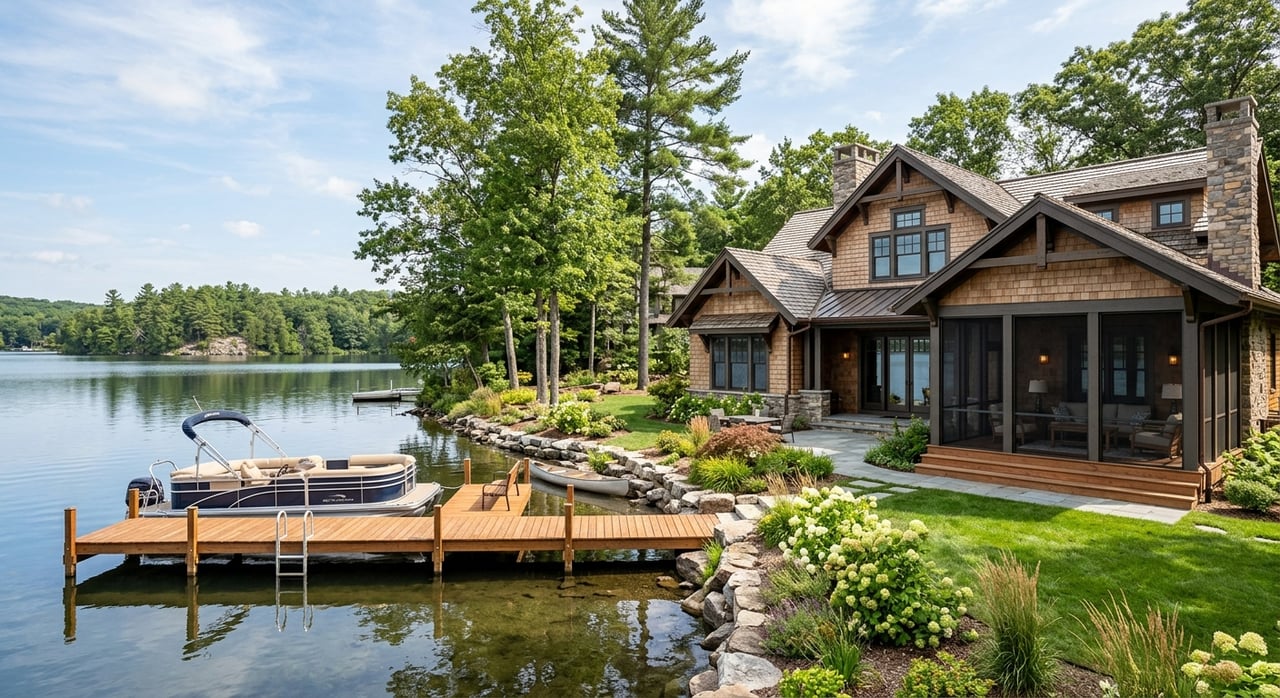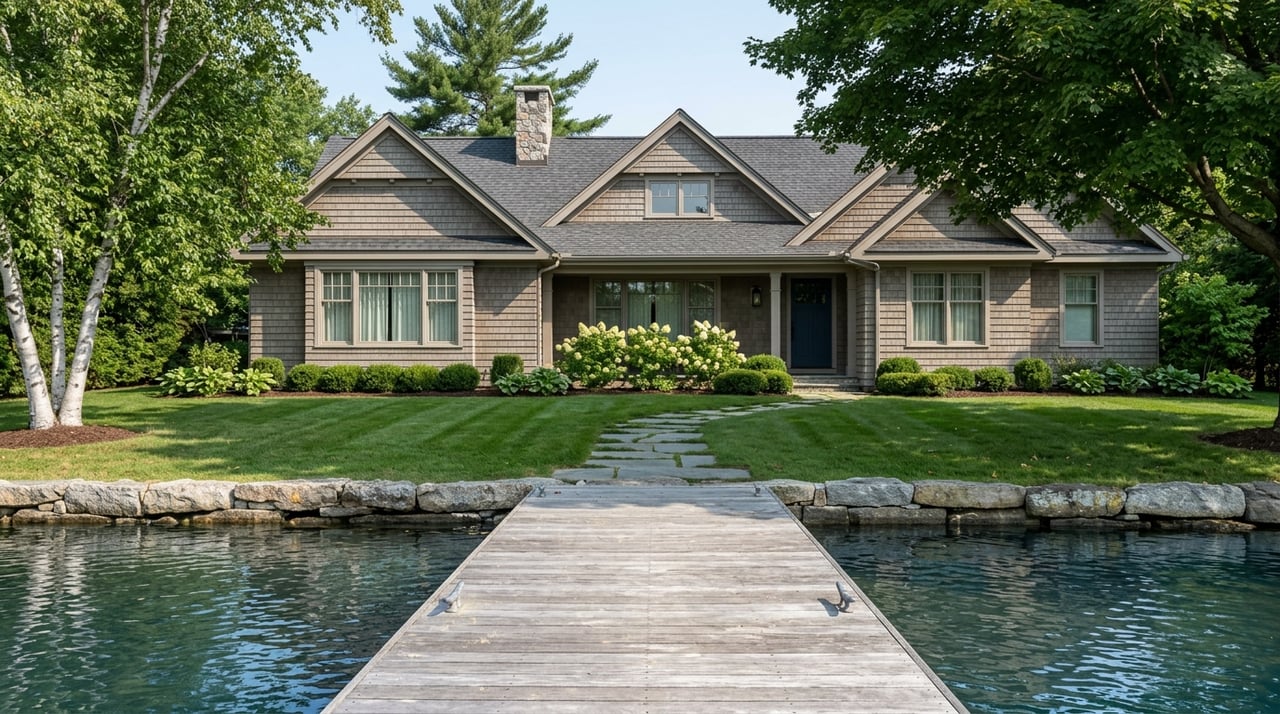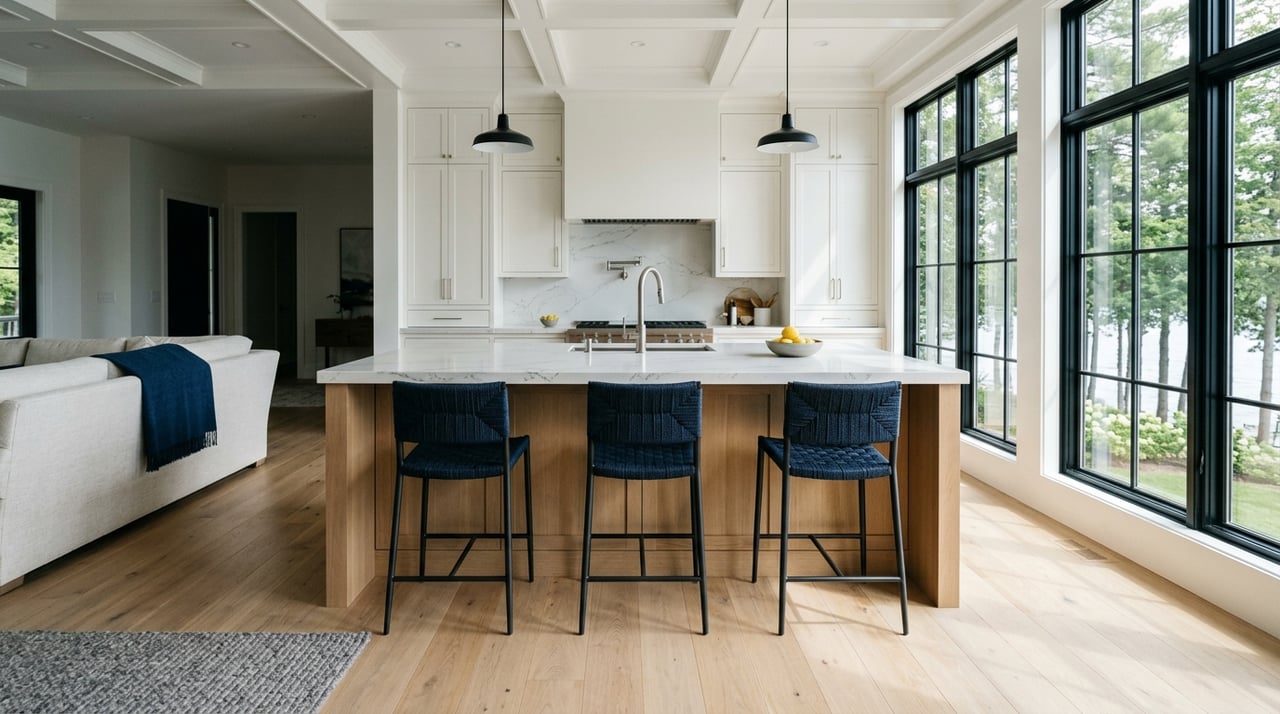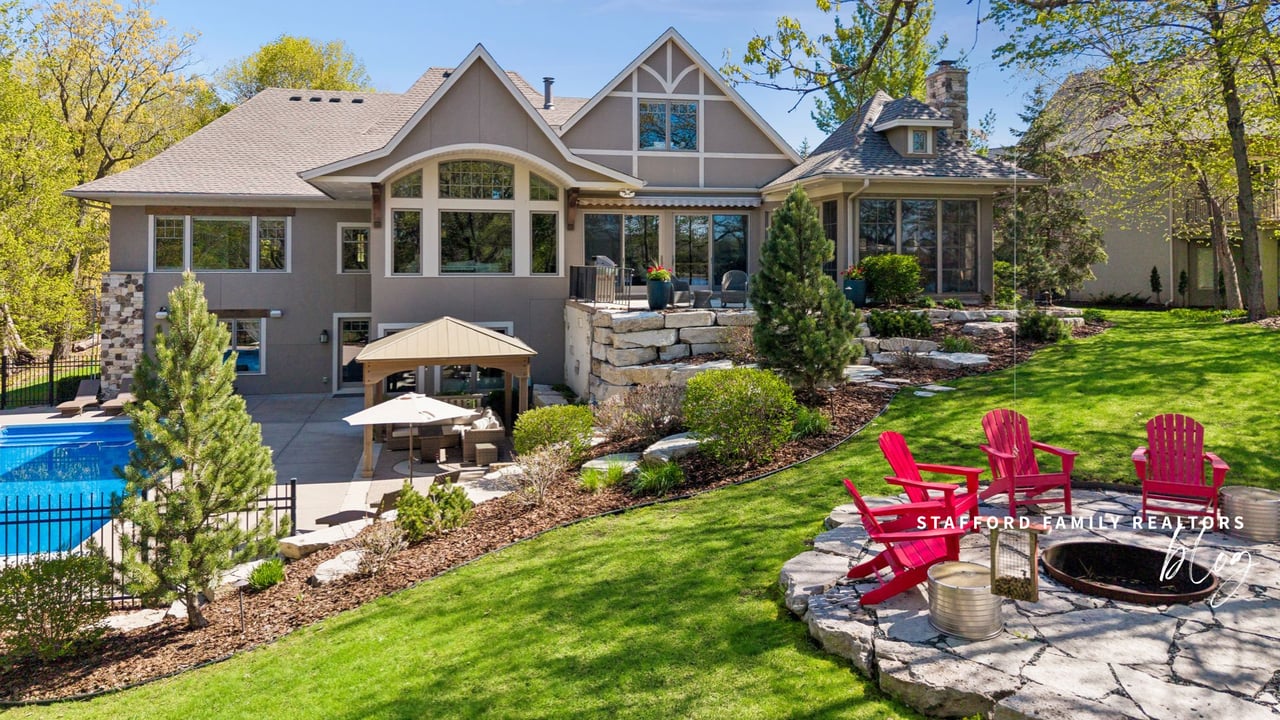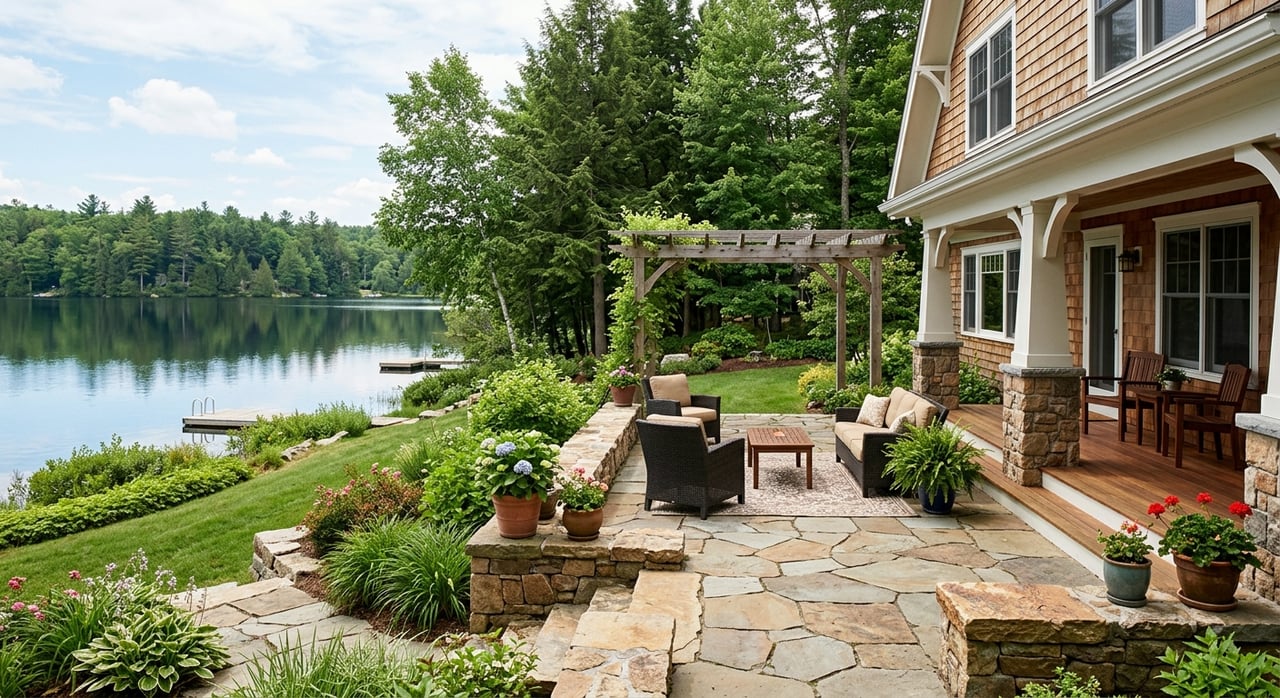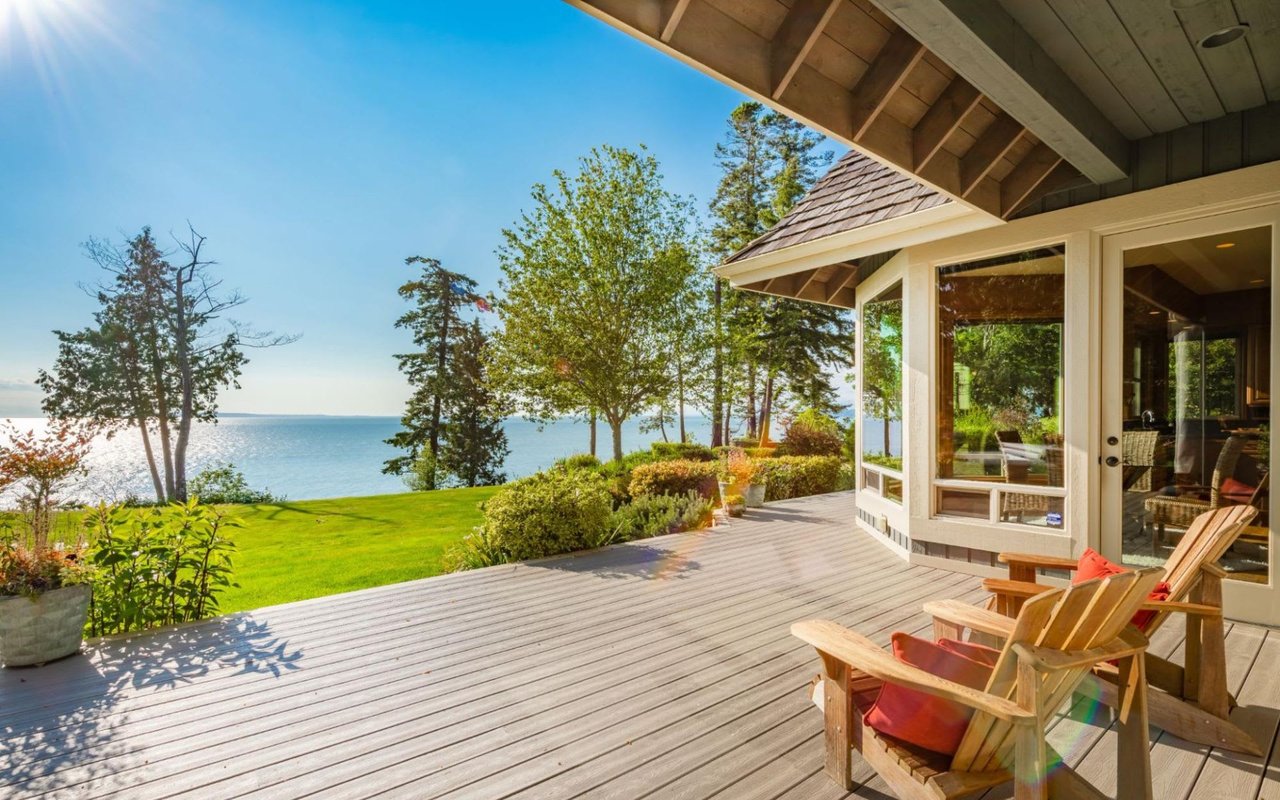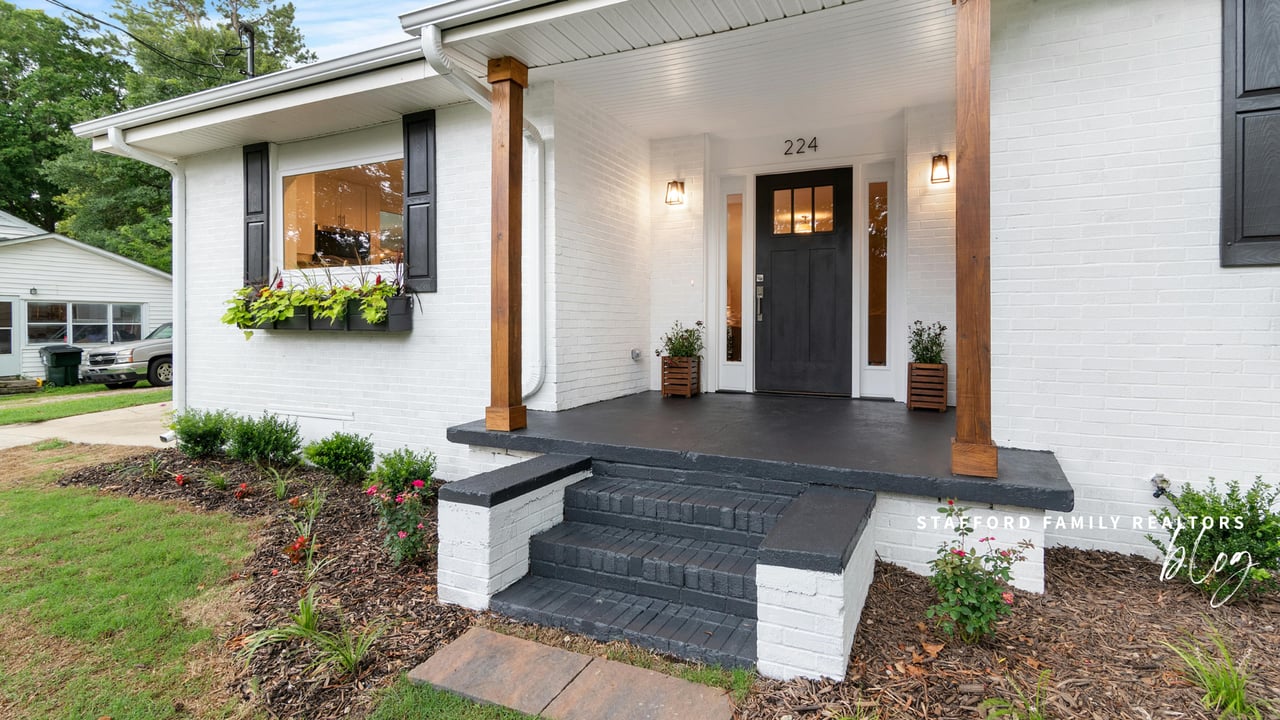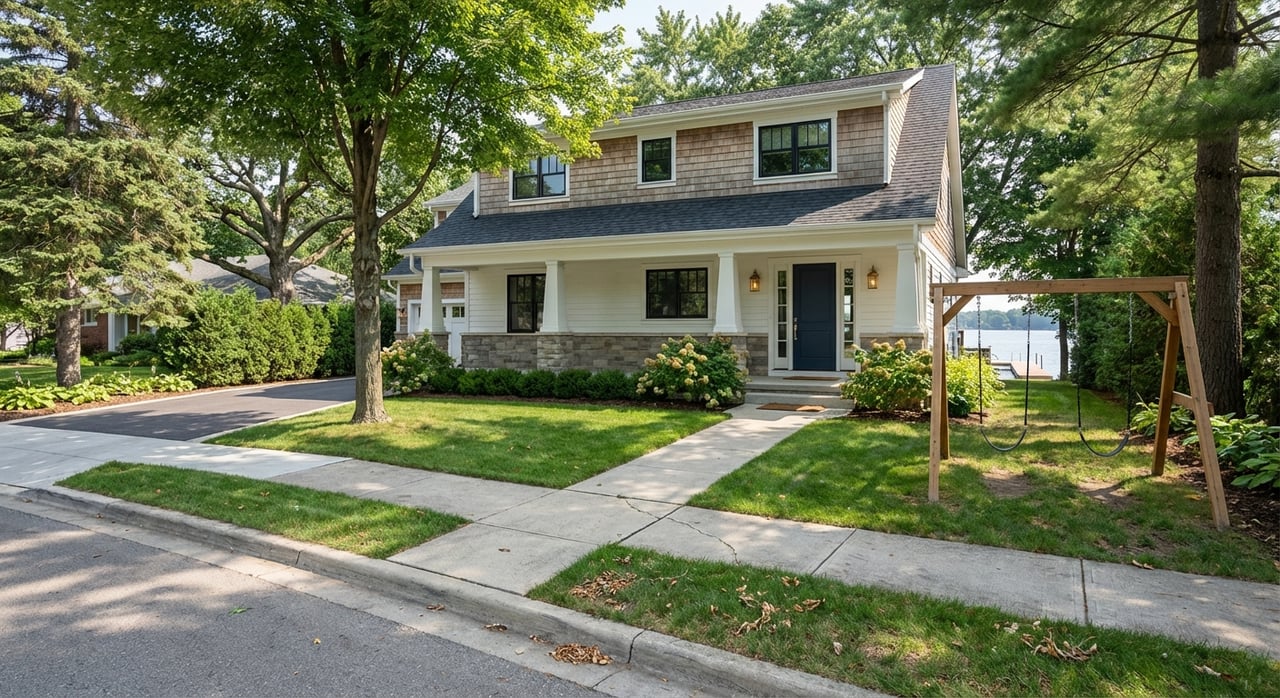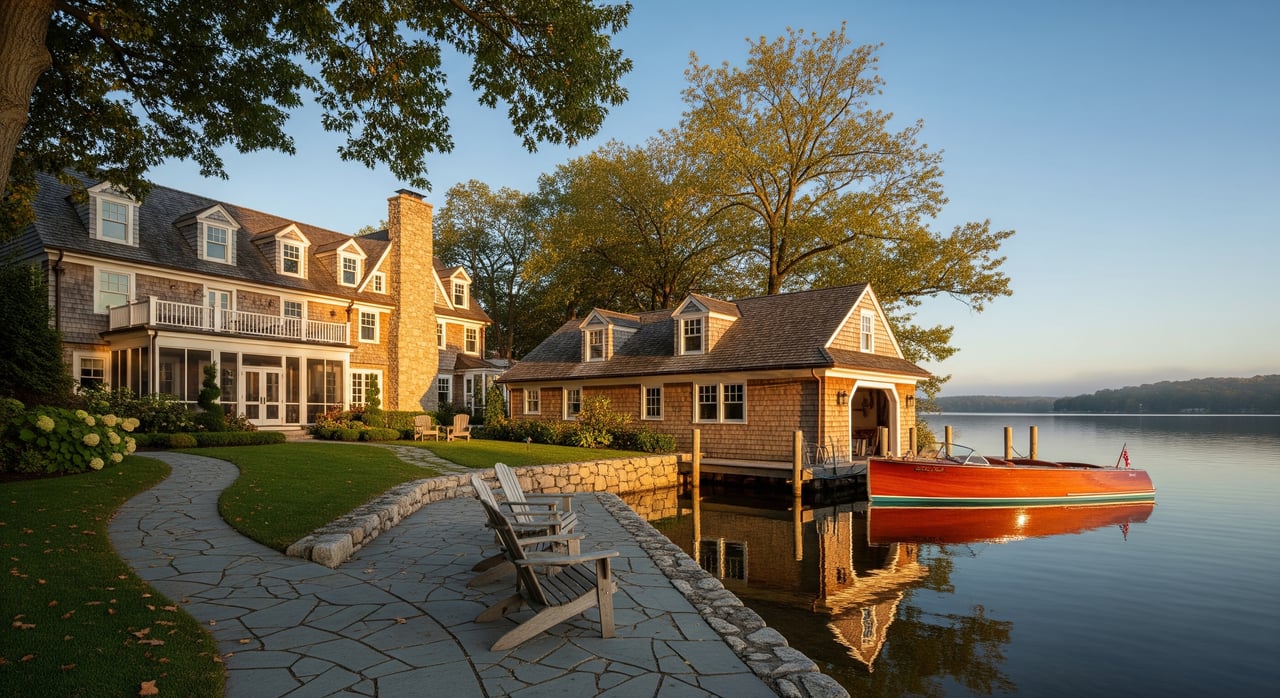
Want Lake Minnetonka living without a lakefront price tag? In Mound and the broader Westonka area, you can step into the lake lifestyle with more options and often at a more approachable cost. You get parks, a walkable harbor district, and a city-run dock system that helps inland homeowners get on the water. In this guide, you’ll learn how Mound’s unique Docks & Commons Program works, what housing types to expect, and the everyday perks that make this corner of the lake feel like home. Let’s dive in.
Why Mound makes lake life attainable
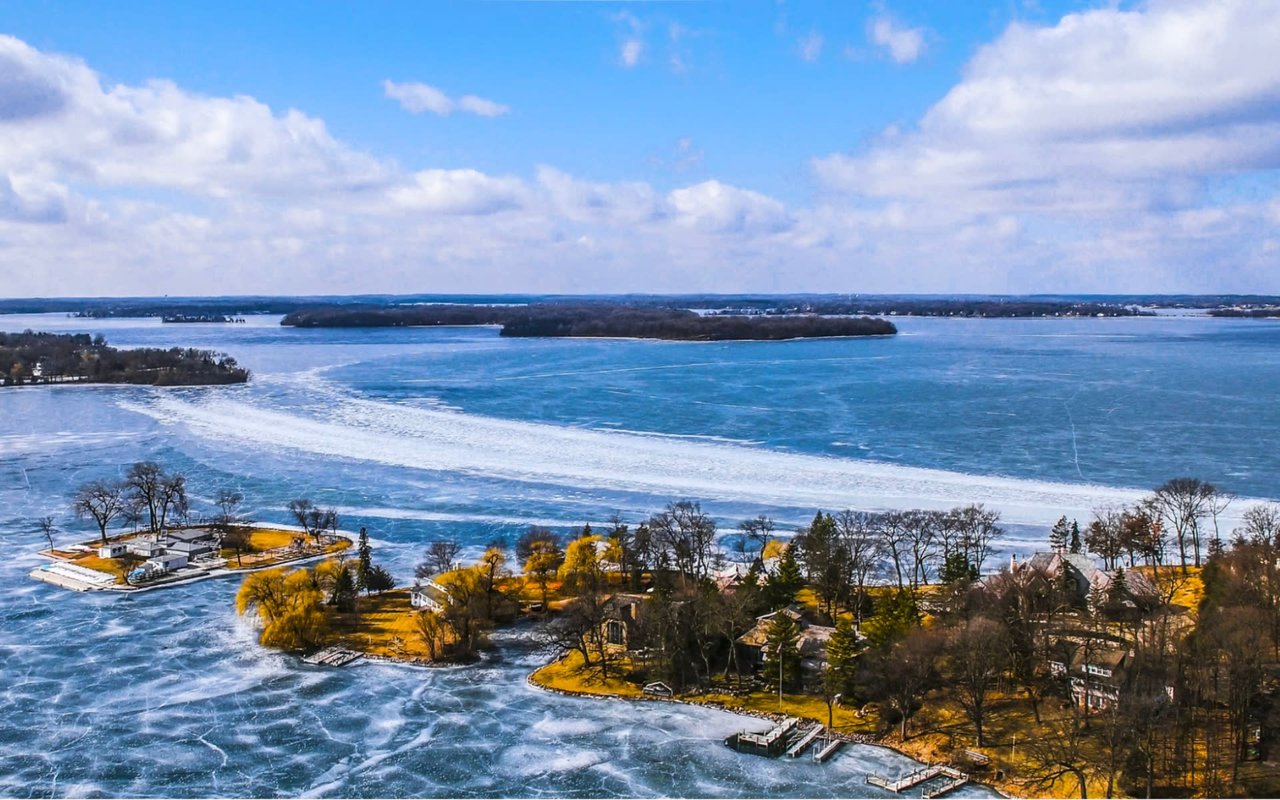
Mound sits on the west side of Lake Minnetonka, about 22 miles from downtown Minneapolis, and offers easy access to water, parks, and trails. The city highlights a strong boating culture, with more than 1,000 docks on its lakes and a compact harbor district that keeps the shoreline active and welcoming. You feel close to the lake even if you live inland.
The difference-maker is dock access. The City of Mound operates what it describes as the largest municipally owned dock program in Minnesota, with the ability to permit up to 637 boats in a season. For many buyers, that means you can live a few blocks from the water and still enjoy meaningful lake time without buying lakefront property.
- Learn more on the City’s Docks & Commons Program page: official program description and maps
- Get a quick sense of Mound’s location and context: Mound, Minnesota overview
How the Docks & Commons Program works
Mound’s Docks & Commons Program is set up to serve both shoreline and inland residents. Understanding the categories and annual timing will help you plan your move and your boating season.
Abutting vs. inland sites
The city identifies two main types of dock access. Abutting dock sites are tied to specific shoreline parcels and typically transfer with the property when it sells. Inland dock and slip sites are city-held licenses assigned by application and waitlist. Inland licenses do not transfer with a home sale, so you should not assume an inland property comes with a slip.
Program counts the city shares include approximately 167 abutting dock sites, about 144 inland dock sites, and roughly 100 inland slip sites. The program also manages 47 overnight slips in the Lost Lake area and day-use options for quick stops.
- See structure and counts on the City’s page: Docks & Commons details
Application timing and license year
The program follows an annual application and license cycle that the city publishes each season, commonly opening the application window in January to February. Rules for licensing, assignments, boat registration, and related permits appear in the City Code Chapter 78. If you are planning a move that includes a boating plan, put these dates on your calendar and review the code before you apply.
- Review official rules: City Code Chapter 78, Waterways
Lost Lake slips and day-use docks
The city operates 47 overnight slips in Lost Lake. Portions of these are reserved for nearby developments, including allocations for the Artessa cooperative and the Villas on Lost Lake. Remaining slips are offered year to year based on the program’s process. For day trips and quick visits, you also have 14 transient (day-use) docks along the Lost Lake Greenway & Pier, plus a transient dock at Surfside Park.
- Get the big picture, including day-use docks: Docks & Commons overview
- Learn about an anchor project in the Harbor District: Artessa Mound Harbor announcement
Waitlists and real-world availability
Program capacity and real-world usage are not the same thing. For example, a recent Docks & Commons Commission report shows about 518 watercraft licensed in 2025 and a waitlist of roughly 237 applicants that season. Wait times vary by neighborhood and the specific site you want, so the best next step is to speak directly with the city program contact to understand current timing and assignment rules.
- See an operational snapshot in the Commission packet: DCC agenda report
Everyday lake living without lakefront prices
You feel the lake at street level in Mound’s Harbor District. The Lost Lake Greenway & Pier puts boats, benches, and boardwalk views a short walk from downtown. Surfside Park offers seasonal lake access and a beach setting for relaxed afternoons. If you want a quick tie-up for lunch or errands, transient docks make short visits simple.
Active living is part of the draw. The paved Dakota Rail Regional Trail passes right through town and stretches about 28 to 29 miles through the western Lake Minnetonka corridor. It is a favorite for weekend rides, stroller walks, and low-key commutes.
- Explore route and mileage: Dakota Rail Regional Trail
Downtown and nearby communities round out your day with a small-town feel close to the water. You will find seasonal spots and long-standing institutions a short drive or bike ride away, plus a municipal wine and spirits store right in the harbor area. Schedules and hours shift with the season, so plan ahead when you invite friends for a lake day.
Housing types and price context
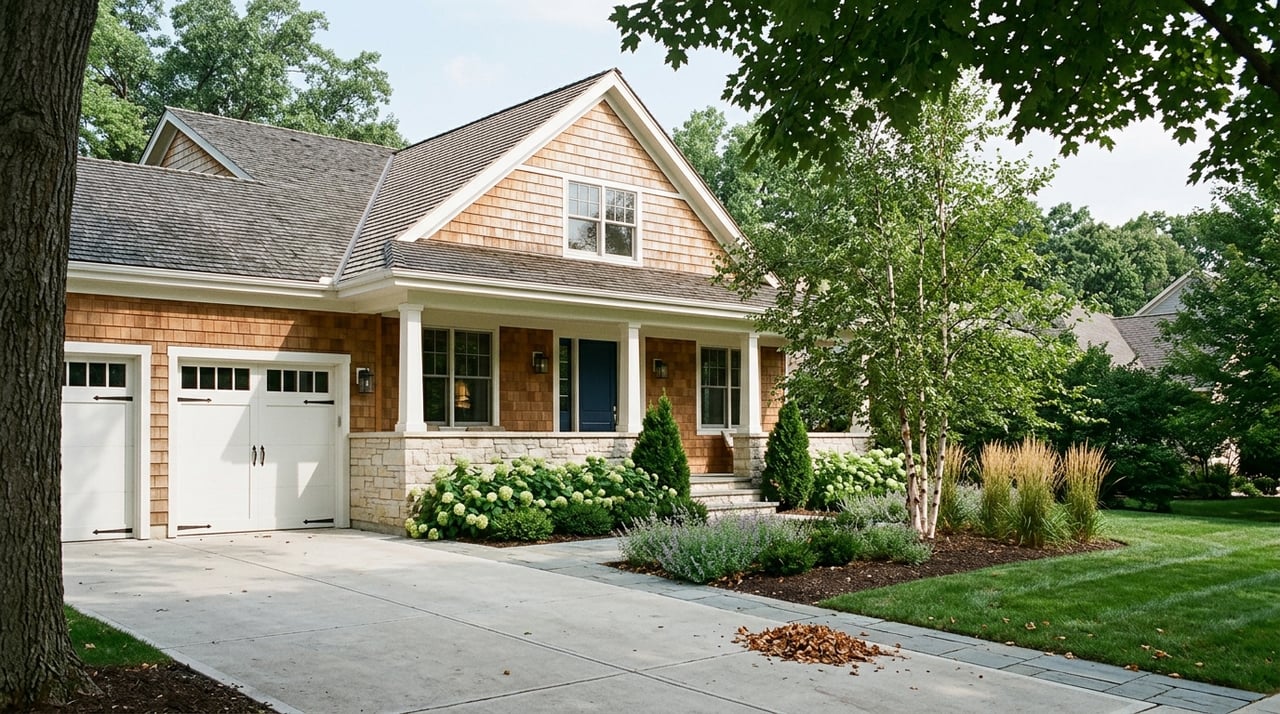
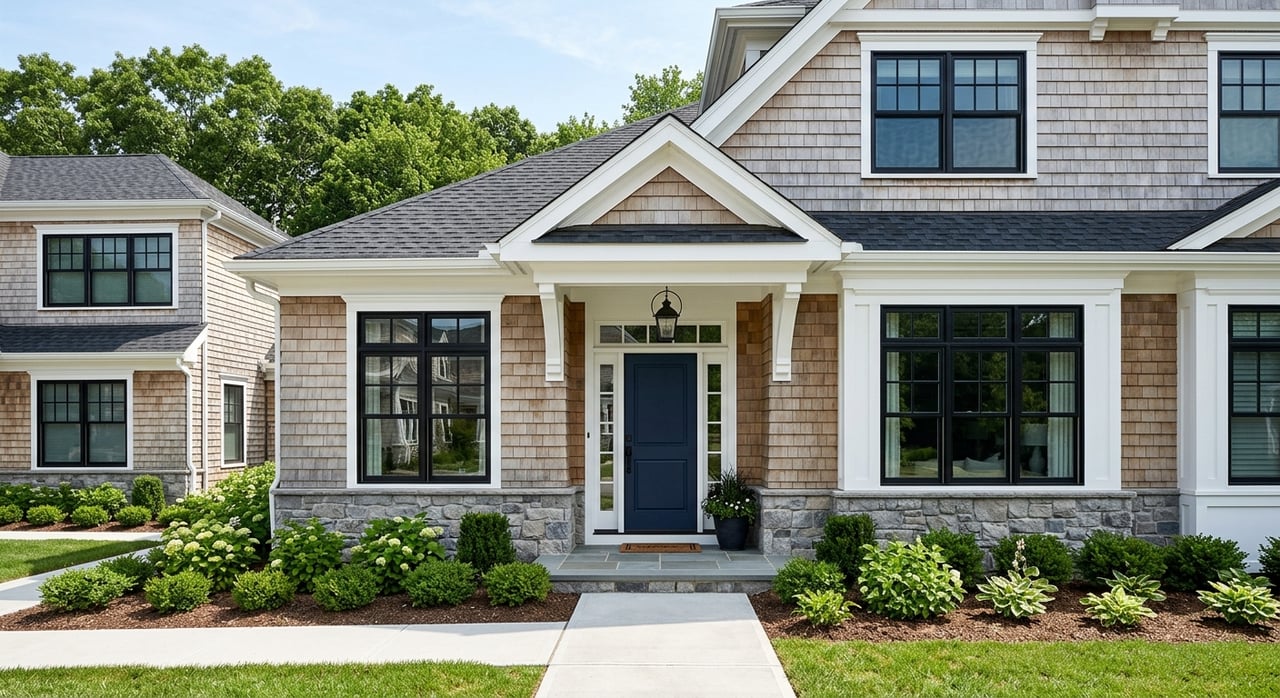
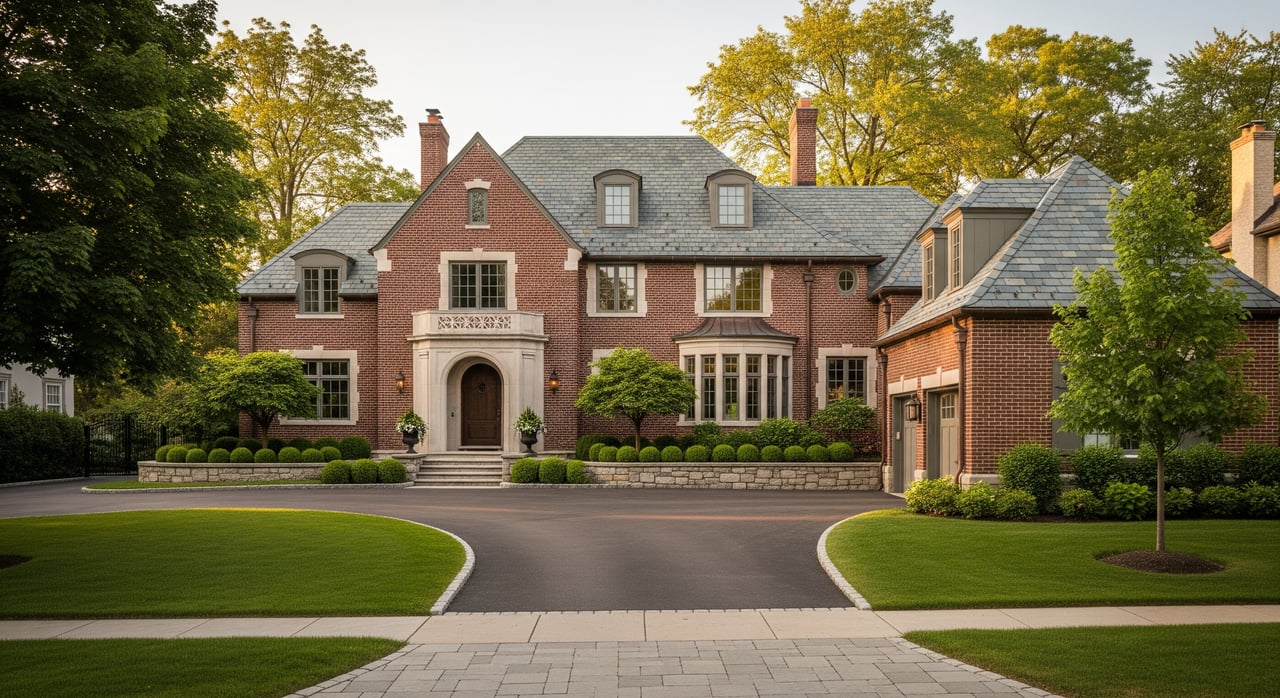
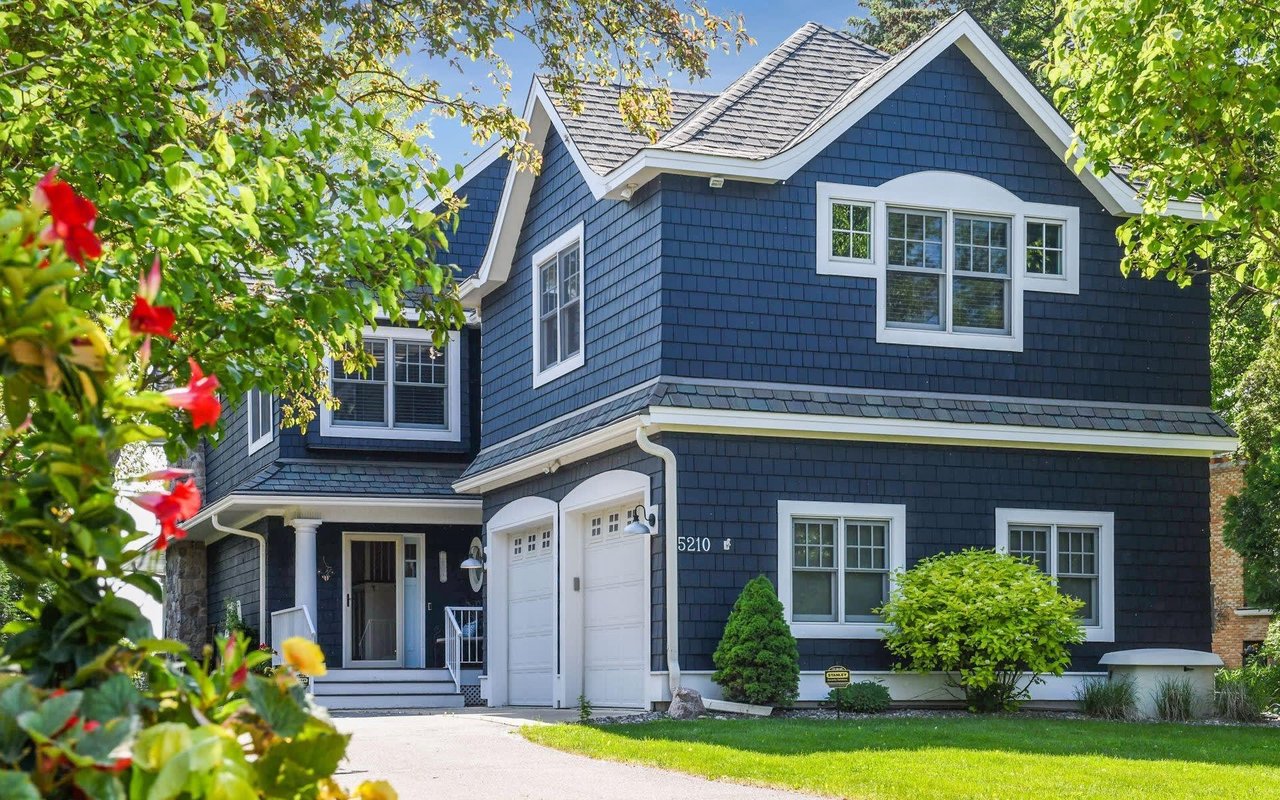
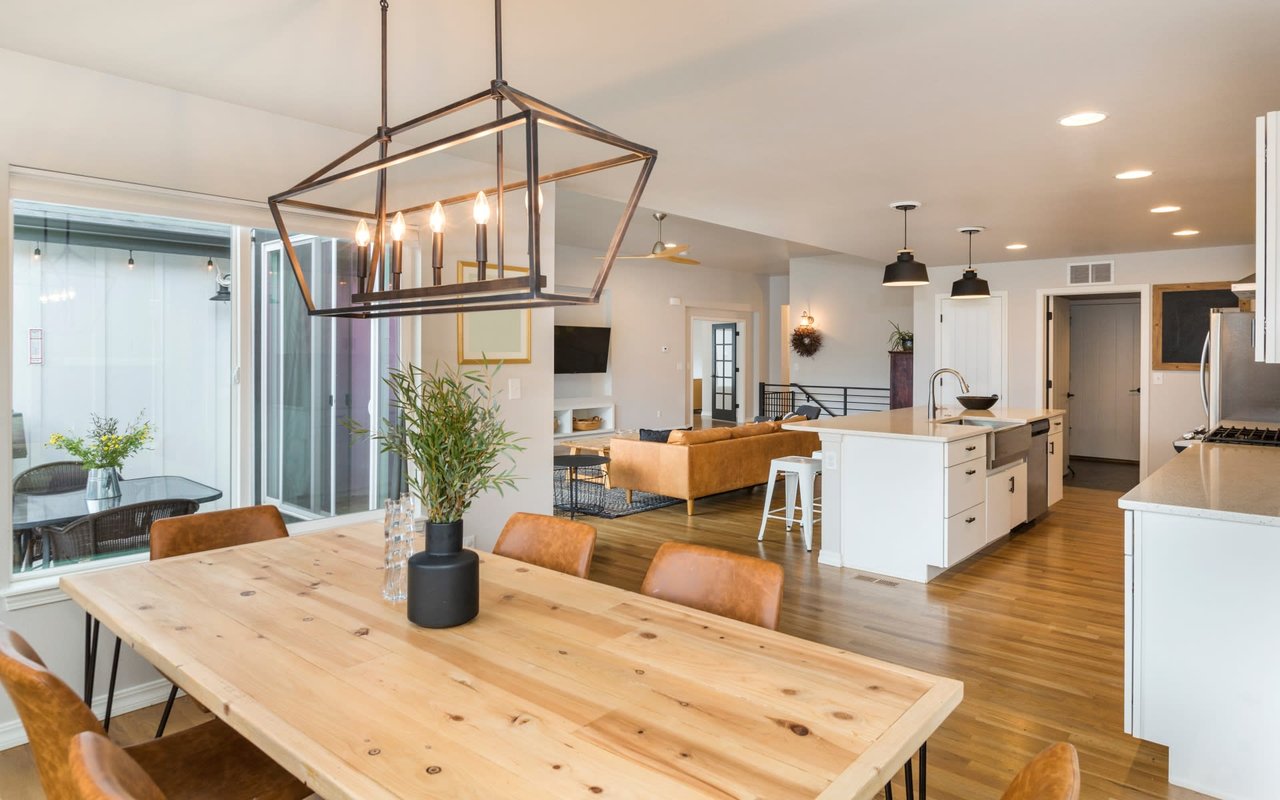
Mound offers a wide range of homes that support different stages of life and budgets, all with an easy connection to the lake.
- Condominiums and apartment conversions. These can be an attainable entry point for downsizers or first-time buyers, with listing ranges that often appear in the low 100s to 300s depending on size and updates.
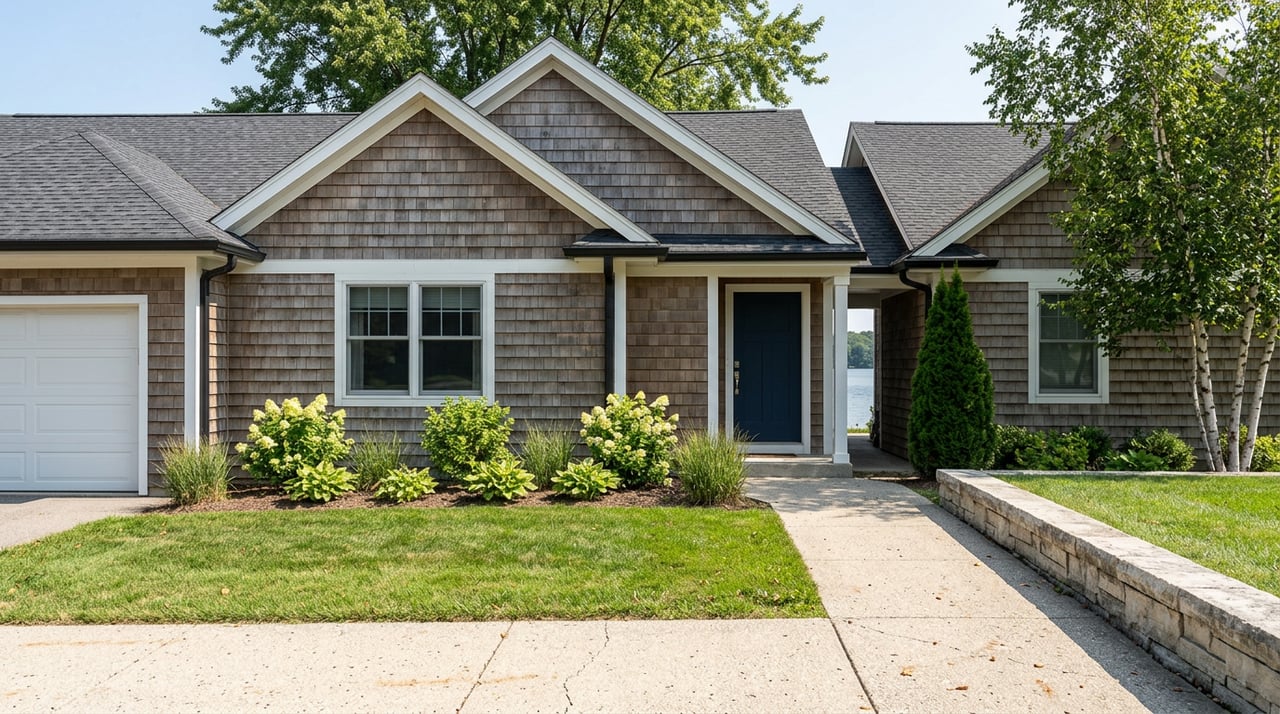
- Townhomes and villas. Communities like the Villas on Lost Lake and the Artessa cooperative offer low-maintenance living close to the harbor. Some developments have reserved slip allocations through the city, so it is important to review those details with management and verify through the city program.
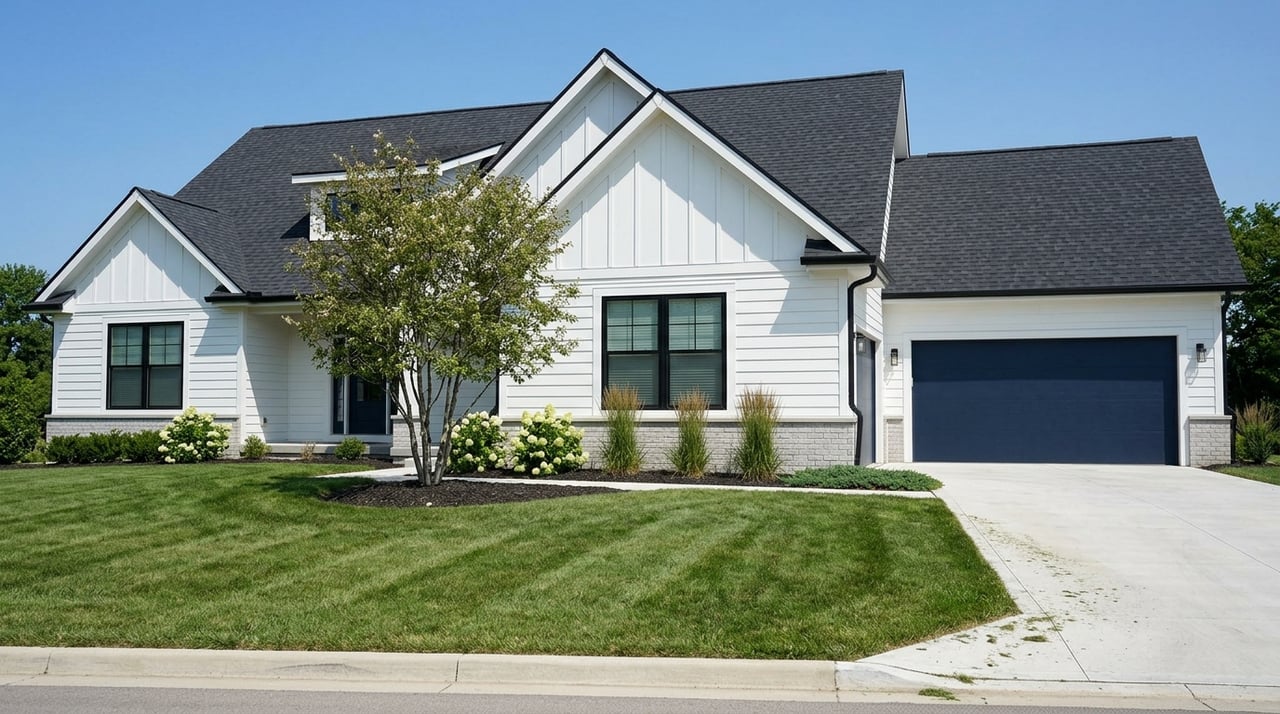
- Single-family homes. Inland and near-lake homes cover the middle of the market, while updated near-lake and lakefront properties can reach the high end.
Recent market snapshots suggest many non-lakefront homes in Mound sit at a more approachable price point than in pricier east-side Lake Minnetonka towns. For example, early 2026 city-portal data showed a median sale price in the high 400s for Mound, while nearby Orono’s snapshots often trend above 1 million. Small datasets can shift medians from month to month, so check the latest figures the week you plan to tour or write an offer.
What to check before you buy in Mound
If the lake is part of your plan, make these items part of your due diligence.
- Confirm dock status. Ask whether the property has an abutting dock. If yes, request the current agreement and verify transfer terms with the city. If no, review inland options through the city’s program and ask about your likely wait time.
- Clarify what transfers in a sale. Remember that inland dock and slip licenses do not transfer with the home. You must apply through the city if you want an inland site.
- Review program rules. Read the city’s dock program materials and City Code Chapter 78 for dock dimensions, seasonal installation, and transient pier use. Rules also cover charter and commercial activity on the water.
- Understand application timing. The city typically opens applications in winter for the upcoming season. Set reminders and submit early.
- Ask about HOA or development allocations. Some communities near the harbor have reserved slip rights. Get the written details from the association and cross-check with the city.
- Consider commute and services. Mound is about 22 miles from Minneapolis by road. Check your preferred route at your normal drive times.
- School district information. Mound is served by Westonka Public Schools (ISD 277). Review district data, programs, and recent bond updates on the district’s site to understand offerings that matter to your household.
Helpful links for rules and planning:
- Program details, maps, and contacts: City of Mound Docks & Commons
- Dock rules, permits, and charter requirements: City Code Chapter 78
- District overview: Westonka Public Schools
A simple day-in-the-life
Start with a coffee in the Harbor District, then stroll the Lost Lake boardwalk to check the transient docks and morning boat traffic. Hop on the Dakota Rail Regional Trail for a lake-view ride or an easy family walk. Wrap with a picnic at Surfside Park while the sun drops over the western bays.
Work with local lake experts
If you want affordable Lake Minnetonka access, Mound and Westonka deserve a close look. You will find a practical path to the water, a right-sized home, and an everyday routine that keeps you close to the lake. When you are ready to tour neighborhoods, discuss dock options, or position your current home for sale, connect with Stafford Family Realtors. As a boutique husband-and-wife team backed by Coldwell Banker Global Luxury, we pair concierge care with deep local insight to help you buy smartly or sell confidently. Get your complimentary home valuation and let’s map your next step.
FAQs
How can a non-lakefront homeowner in Mound get on Lake Minnetonka?
- Mound’s Docks & Commons Program offers inland dock and slip licenses by application and waitlist, plus 47 Lost Lake overnight slips and day-use transient docks at the harbor and Surfside Park. Review the program page for maps and details.
How long is the wait for a municipal slip in Mound?
- Wait times vary by neighborhood and site type. A recent Docks & Commons Commission report showed 518 licensed watercraft and about 237 people on the waitlist in 2025, so plan for a multi-year wait in some areas and contact the city for current guidance using the Commission packet as context.
What rules should I know before using Mound’s municipal docks?
- City Code Chapter 78 outlines licensing, seasonal installation, transient pier use, and charter or commercial activity requirements, including insurance and permitting. Start with Chapter 78 and confirm specifics with the city.
What is the commute from Mound to Minneapolis like?
- Mound is about 22 miles west of downtown Minneapolis. Drive times generally vary by route and traffic, so test your preferred commute during your typical hours. See the Mound overview for location context.
Which school district serves Mound and where can I learn more?
- Westonka Public Schools (ISD 277) serves Mound. The district shares performance information, programs, and recent bond updates on its official site. Explore Westonka Public Schools for current details.