Thinking about a new home in Chaska but not sure where growth is headed? You are not alone. Many buyers want the convenience of new systems and finishes, plus easy access to the Town Course, community and curling centers, and commuter routes. In this guide, you will learn how and where new construction tends to cluster in Chaska, what to expect from builders, and how to choose between new and resale with confidence. Let’s dive in.
Why new homes cluster where they do
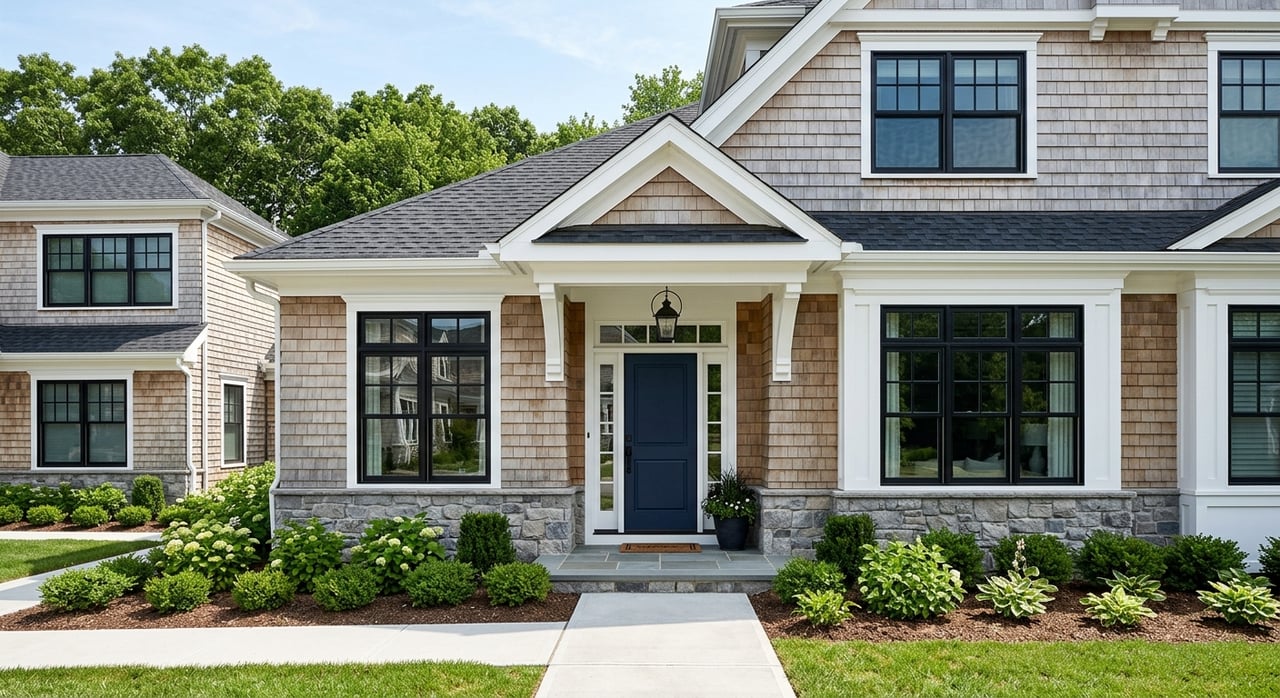
Chaska’s newer neighborhoods typically appear where the city can extend utilities, near regional roads, and close to amenities like parks and recreation centers. These factors make it easier for builders to plat land, pave streets, and market convenience. You will also see some infill near the community core where townhomes or smaller-lot homes fit well. Always confirm current plats, phases, and timing with the City of Chaska and builder sales staff before you decide on a lot.
Edge growth around the city
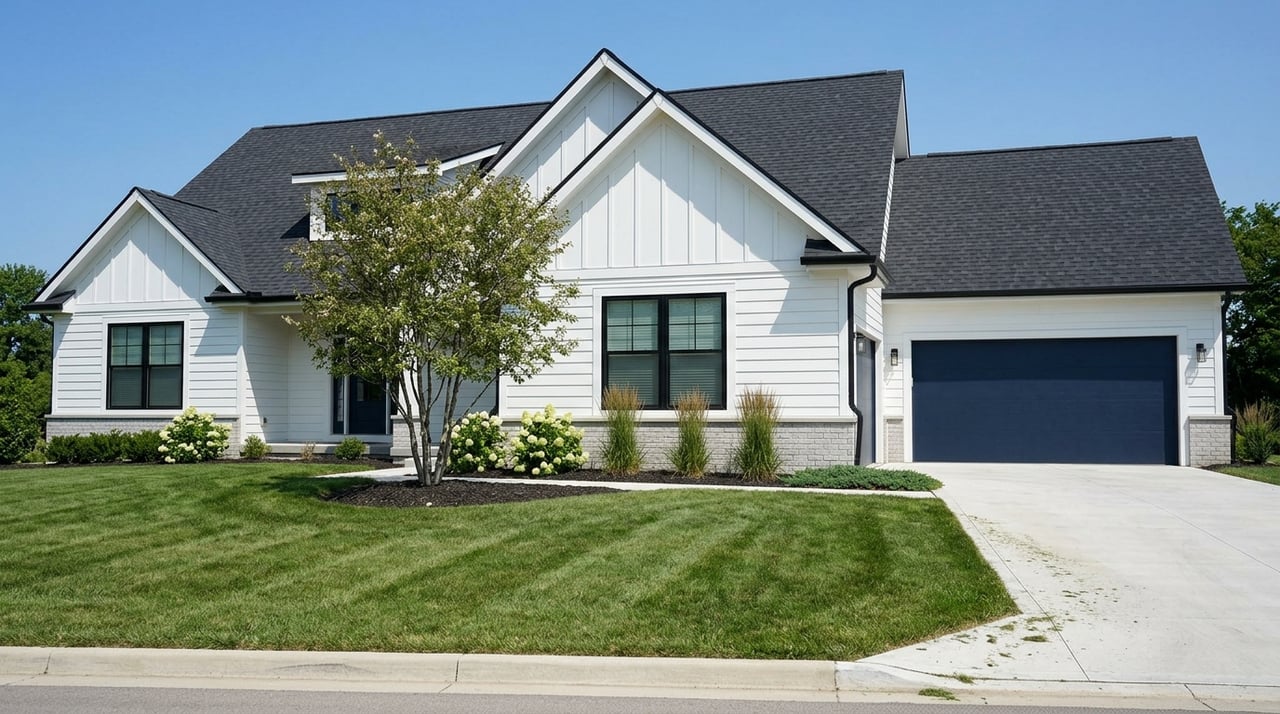
Most single-family subdivisions rise on the edges of the existing city. That is where there is room to add streets and connect to water and sewer. These areas often deliver a mix of lot sizes, from compact yards to larger family lots. If you prefer quieter streets, a little extra space, and a short drive to amenities, edge growth areas can be a strong match.
Infill near community centers
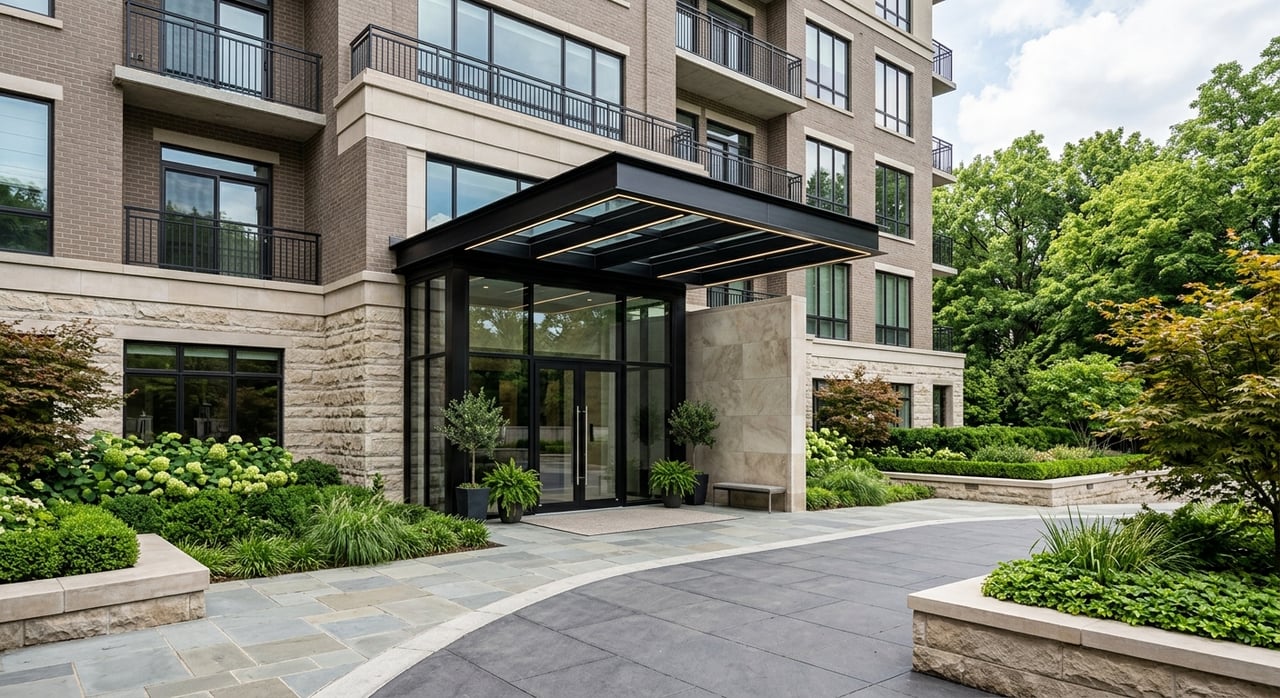
Closer to the community and curling centers, you will often see townhomes, twin homes, and some smaller-lot single-family homes. This product appeals to buyers who want lower-maintenance living and a shorter drive to recreation. Walkability, trail access, and quick trips to services are common selling points in these pockets. Expect a mix of completed inventory and new phases depending on the site.
Corridor-oriented options for commuters
New neighborhoods near major commuter corridors often offer smaller lots, move-in-ready inventory, and streamlined finishes. The tradeoff is more convenience for daily drives. If your priority is faster access to regional roads, focus on communities positioned near those arterials. You can still find quiet streets, but plans in these areas often emphasize efficient layouts and quick timelines.
Living near the Town Course
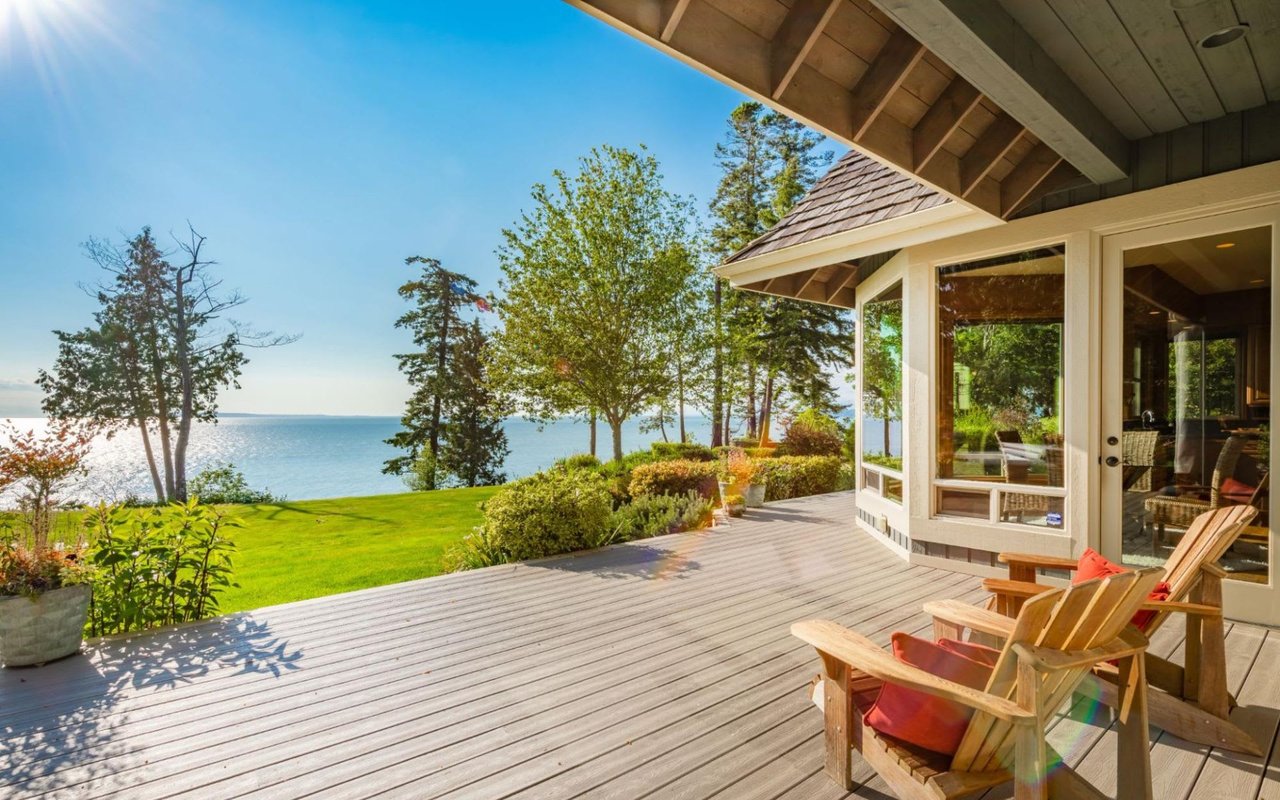
Builders around Chaska know the Town Course is a lifestyle anchor. Newer pockets marketed as near the course often highlight greenbelt views, trail connections, and a short drive to tee times. Not every site is walkable, so ask about the specific drive time and any nearby trails. If views matter to you, verify sightlines, future phases, and tree preservation policies before you pick a lot.
What to expect from builders
Product types you will see
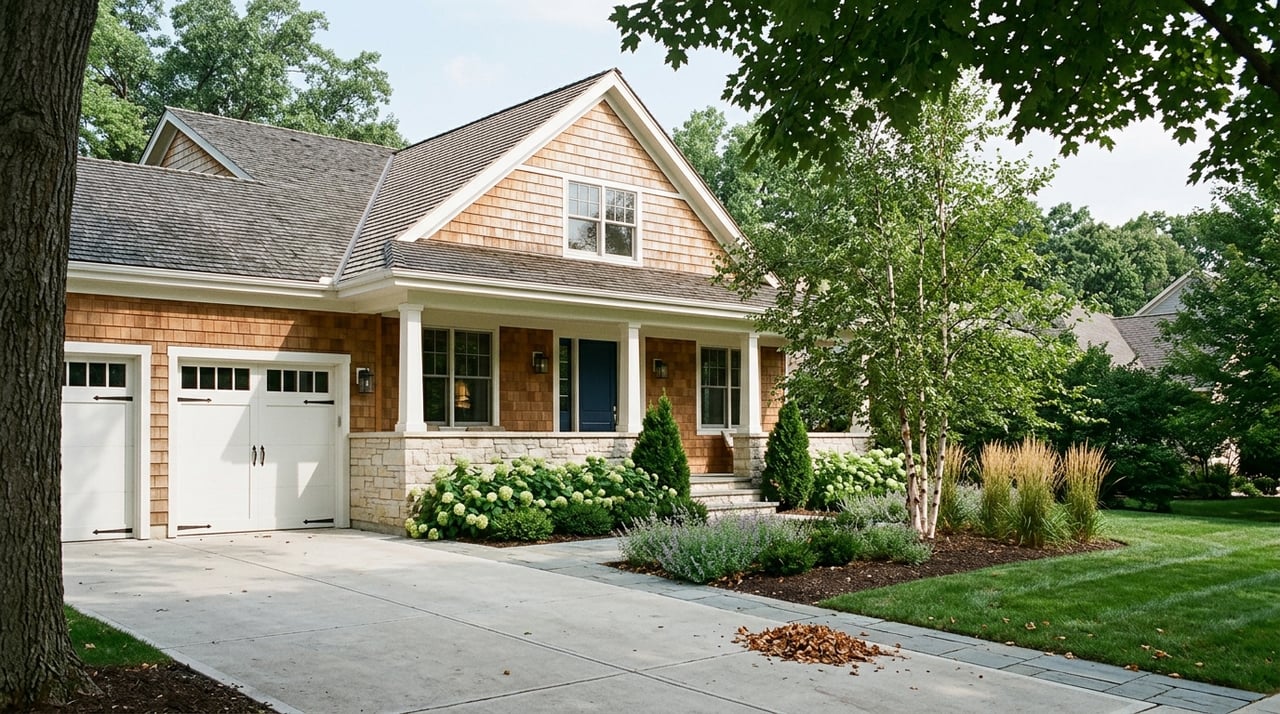
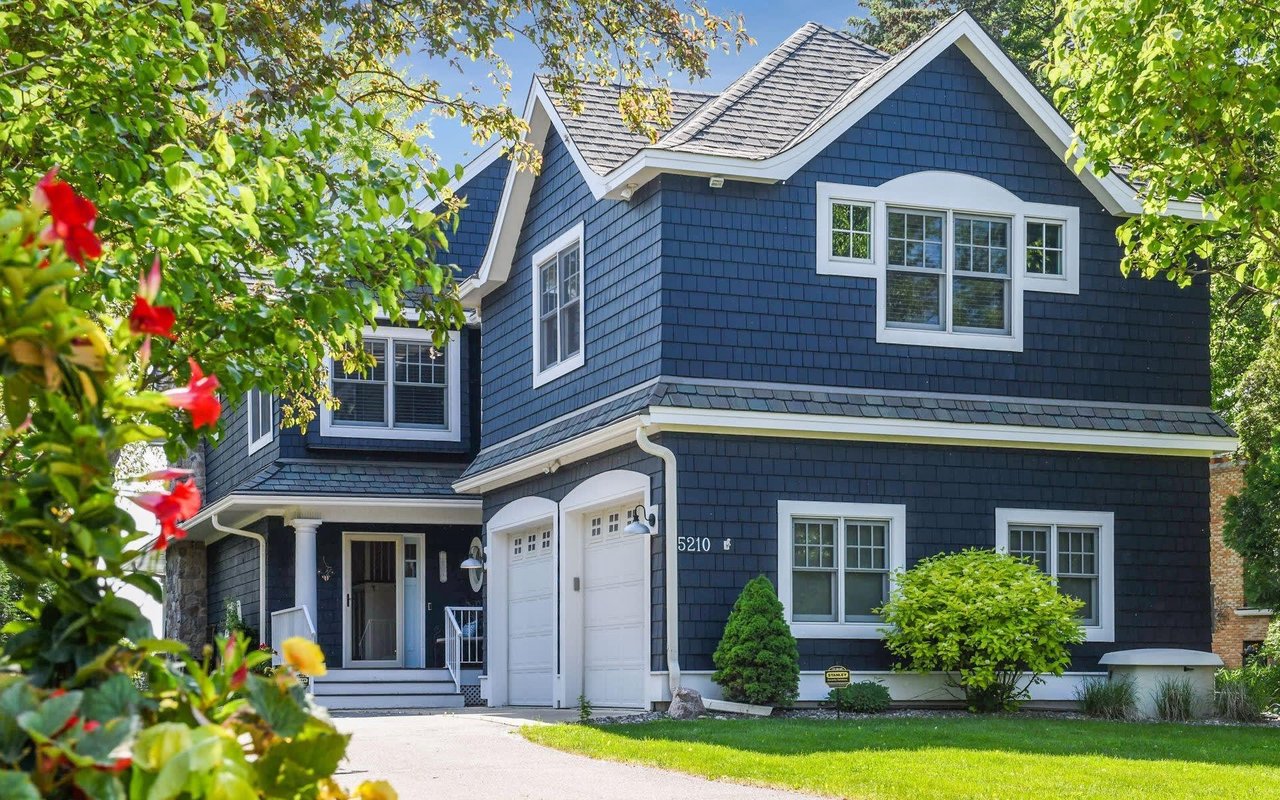
- Production single-family homes in entry, mid, and higher-finish tiers
- Semi-custom homes with more design choices
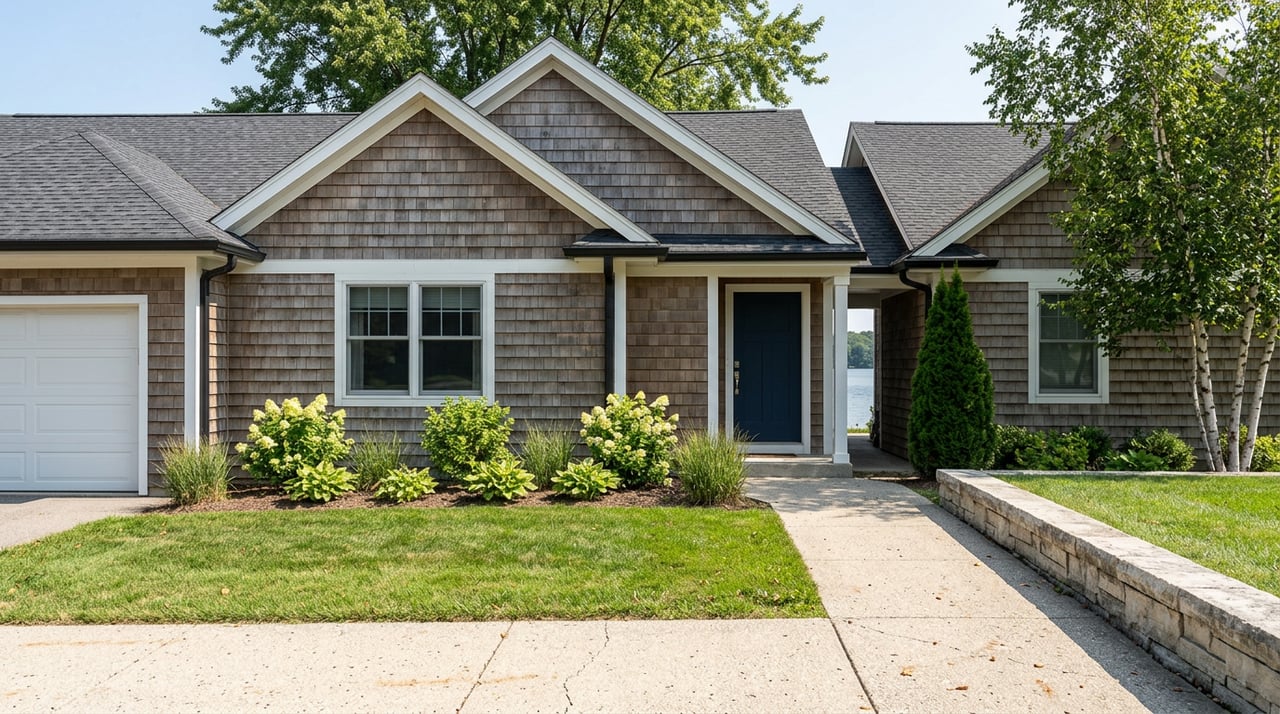
- Twin homes and townhomes closer to the core
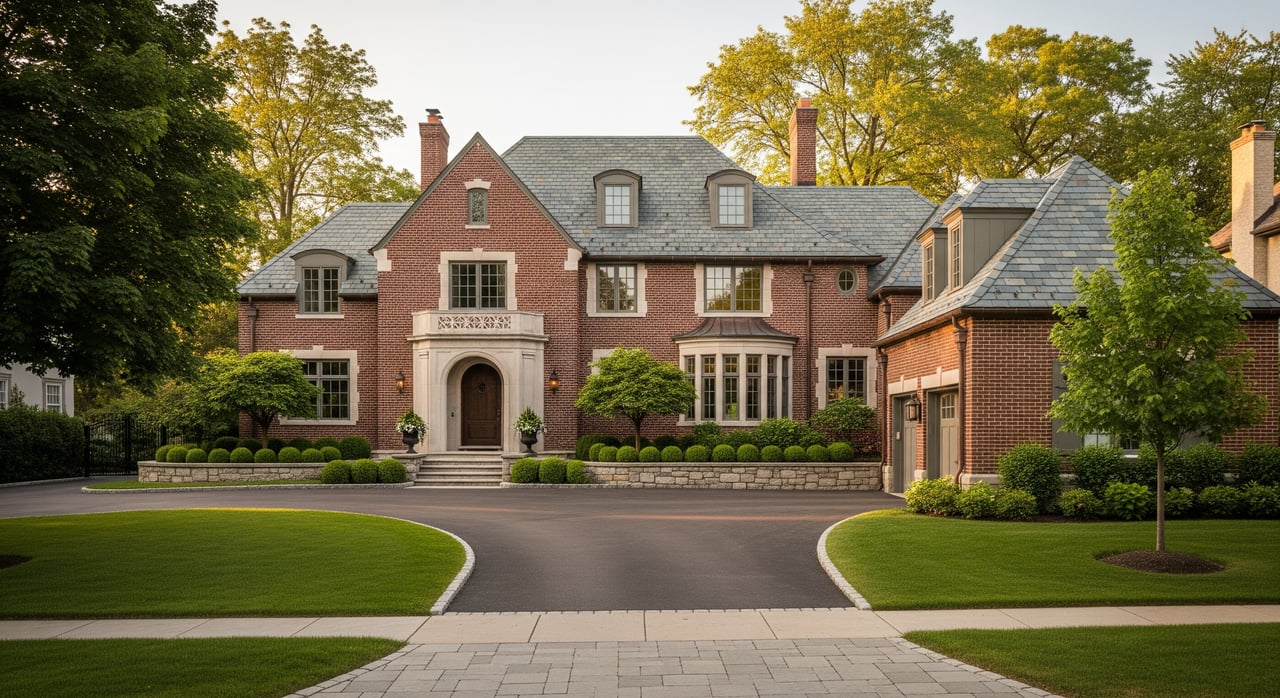
- A smaller number of higher-end custom homes on select lots
Lot sizes and site details
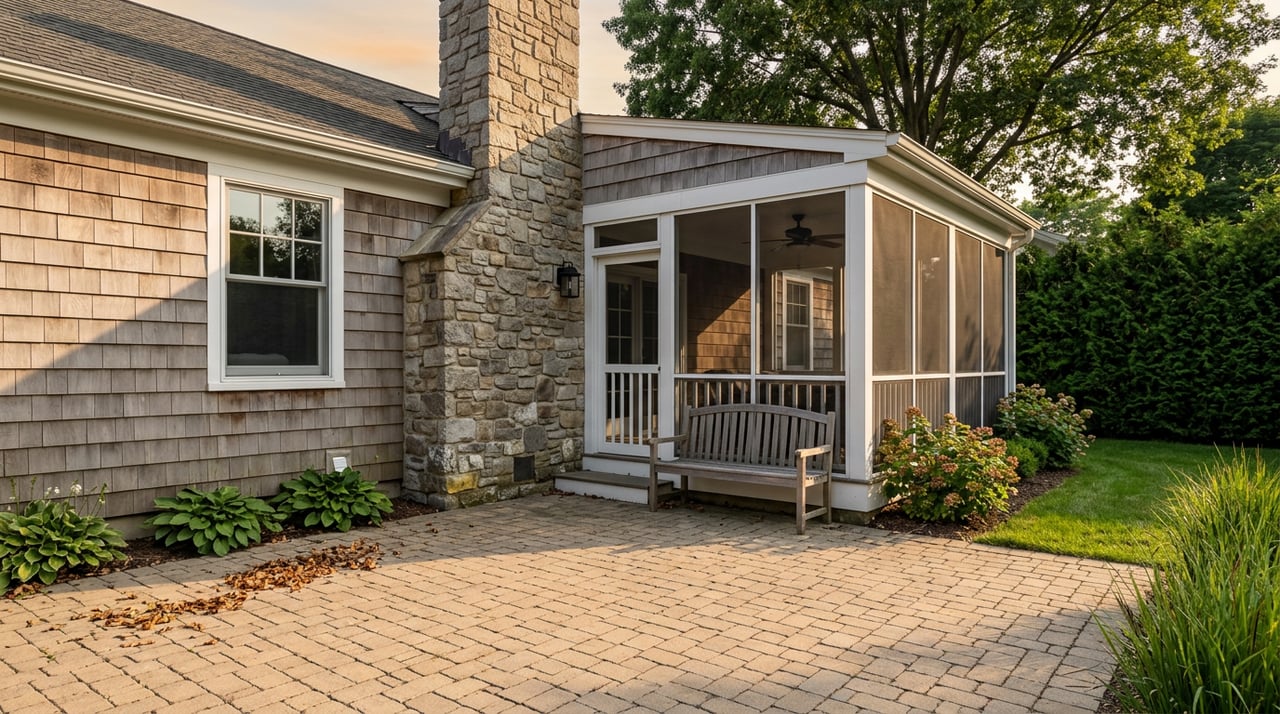
New plats usually include a range of lot sizes. Pay attention to slope, drainage swales, and utility easements, since these can affect future patios, decks, and fencing. Orientation matters too if you care about sun exposure on porches or lawns. Ask about tree preservation, stormwater ponds, and any planned adjacent phases.
Finishes, allowances, and change orders
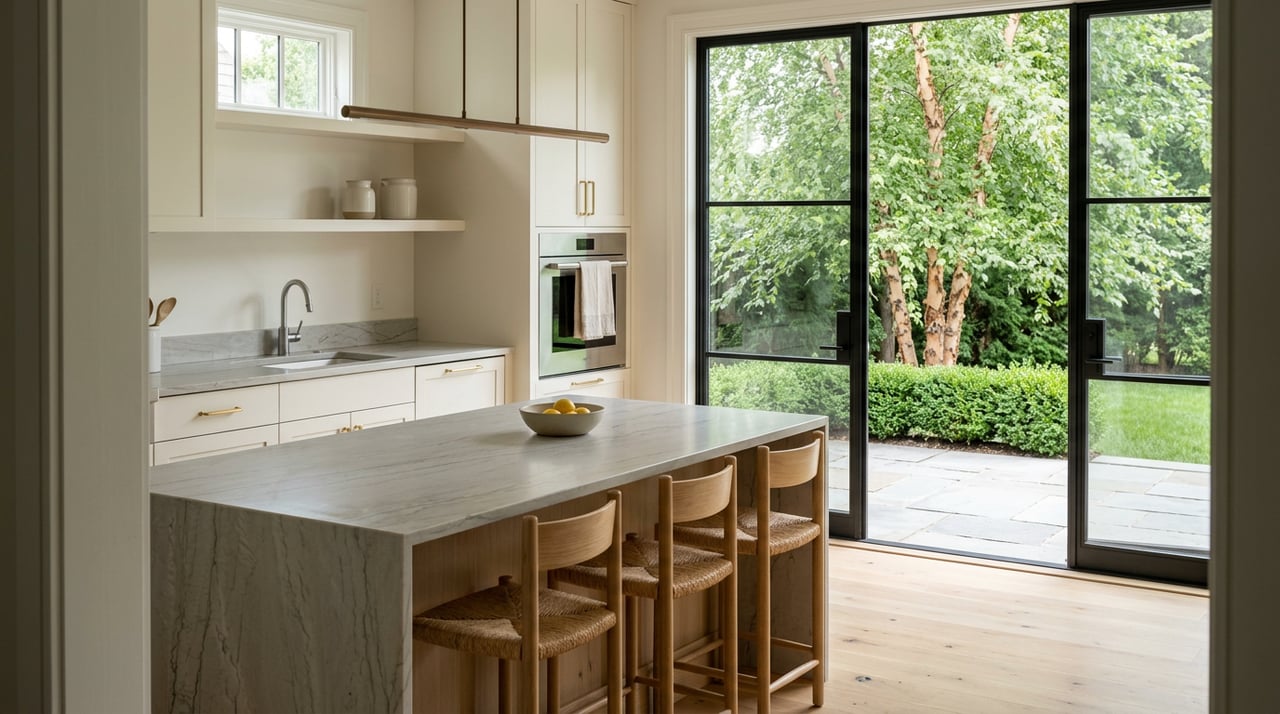
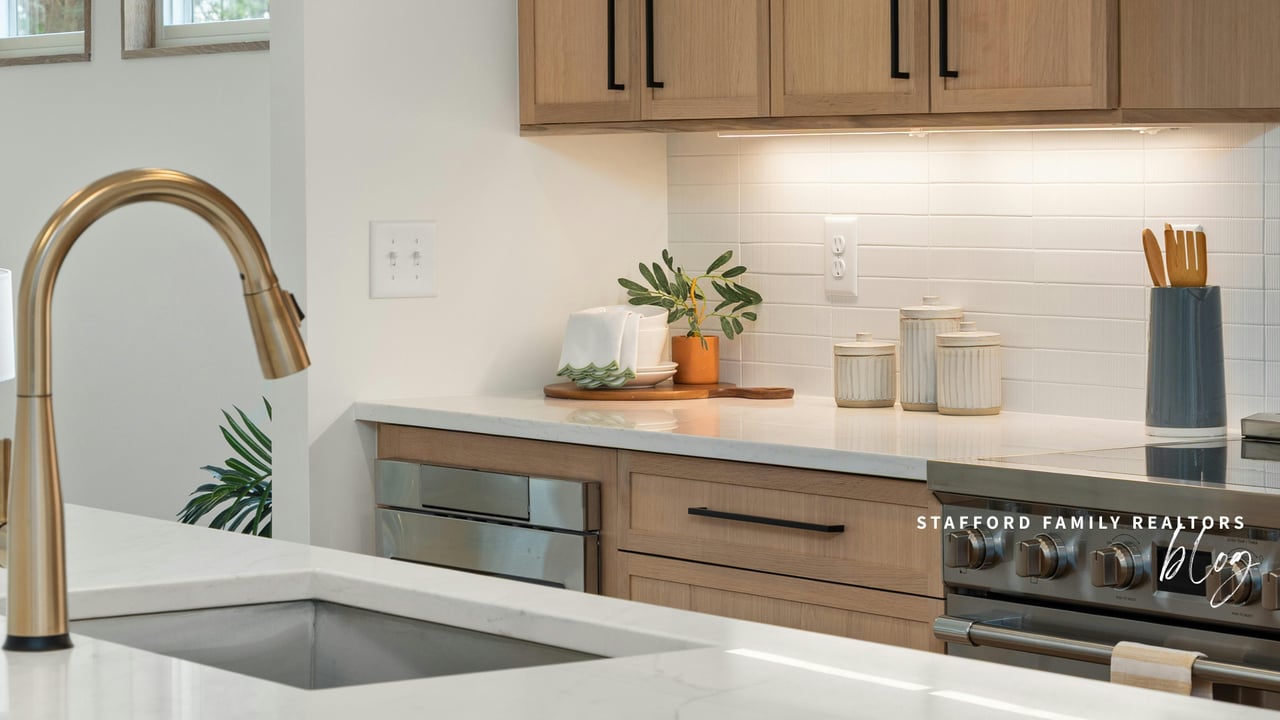
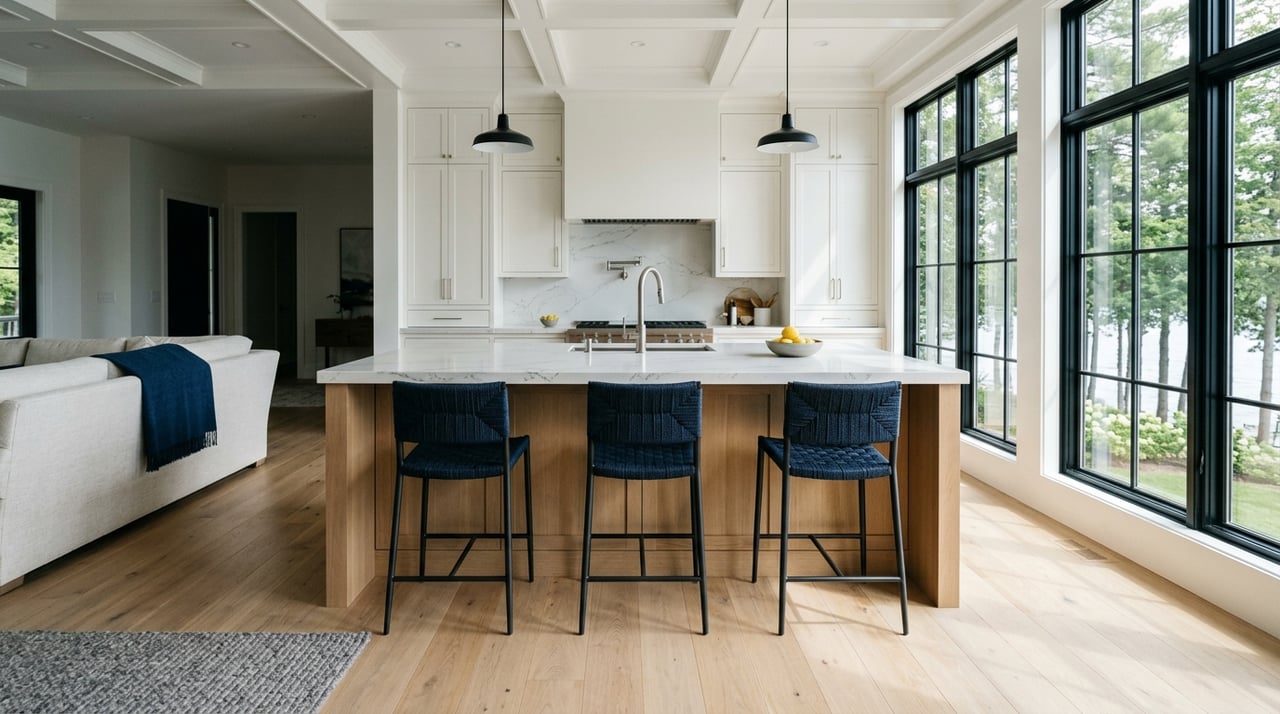
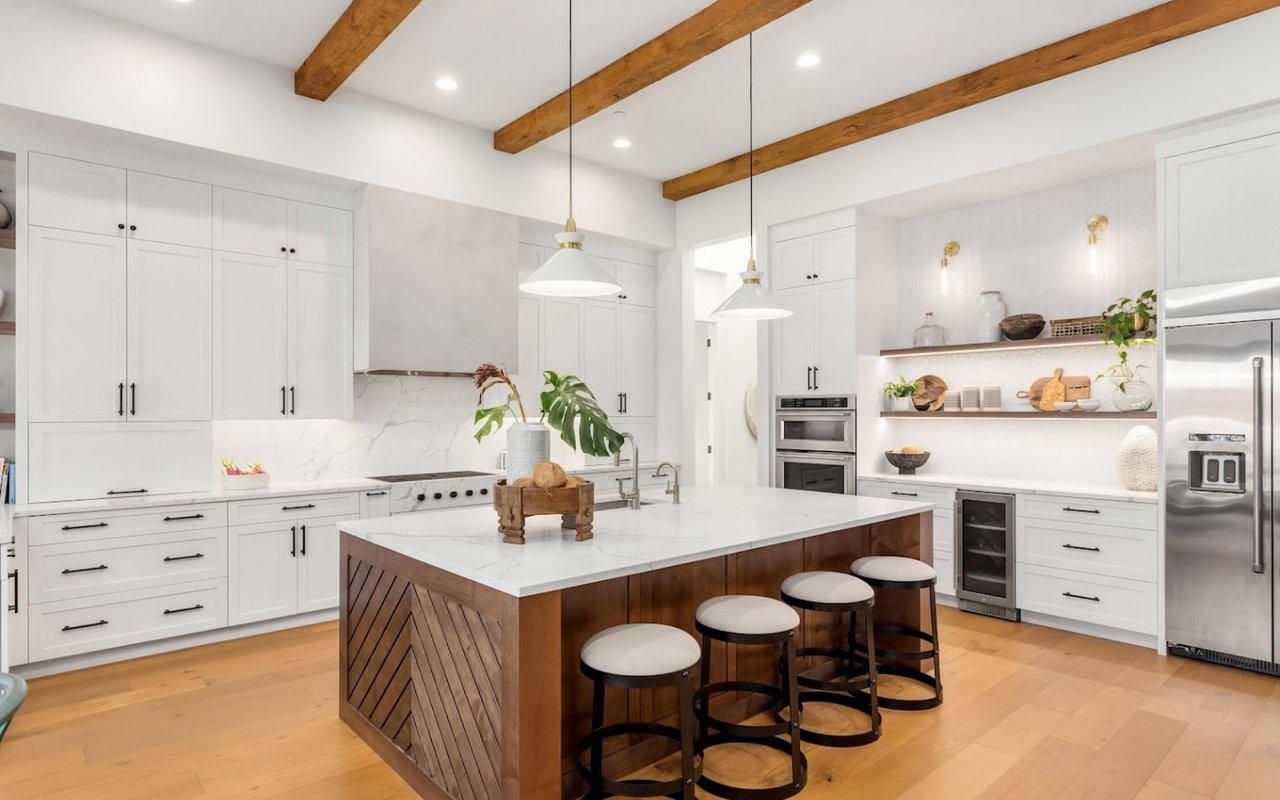
Most builders offer a base package with standard cabinets, counters, flooring, and fixtures, plus upgrades you choose at a design center. Many provide dollar allowances for categories like cabinetry, countertops, tile, flooring, and lighting. Ask for the full allowance schedule and what happens if you go over. Confirm how change orders are priced, what deposit is due, and the deadline for making selections.
Warranties and post-closing care
Builders commonly use a tiered warranty structure. You often see a 1-year workmanship period for finishes, a limited multi-year systems period, and a longer structural warranty that is commonly called a 10-year structural warranty. Ask how to submit requests, what the punch list process looks like, and whether the warranty is transferable to a future owner. Plan on a pre-close walk, a final walk, and a scheduled check-in around the 11-month mark.
Timelines and seasonal impacts
If you choose a spec or inventory home, you could move in within weeks to a few months, depending on completion. Build-to-order homes typically take about 4 to 9 months from permit to occupancy for a standard production build. In Minnesota, winter weather can affect grading and foundation work, so timelines may shift. Stay flexible on delivery dates and review contract terms related to delays.
New vs resale in Chaska
Condition and maintenance
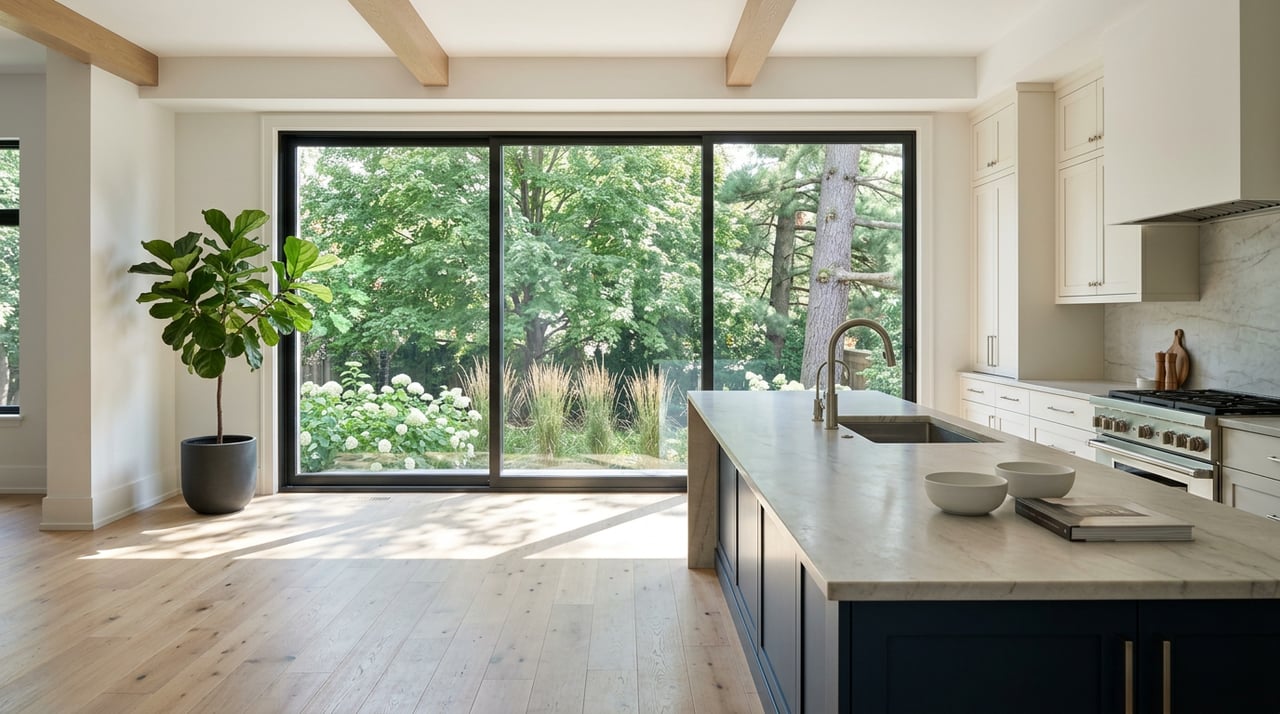
New homes give you brand new systems and appliances, which can lower near-term maintenance risk. Resale homes may need updates or replacements but can offer value and room to negotiate. If you prefer low maintenance from day one, new can be appealing.
Lot maturity and landscaping
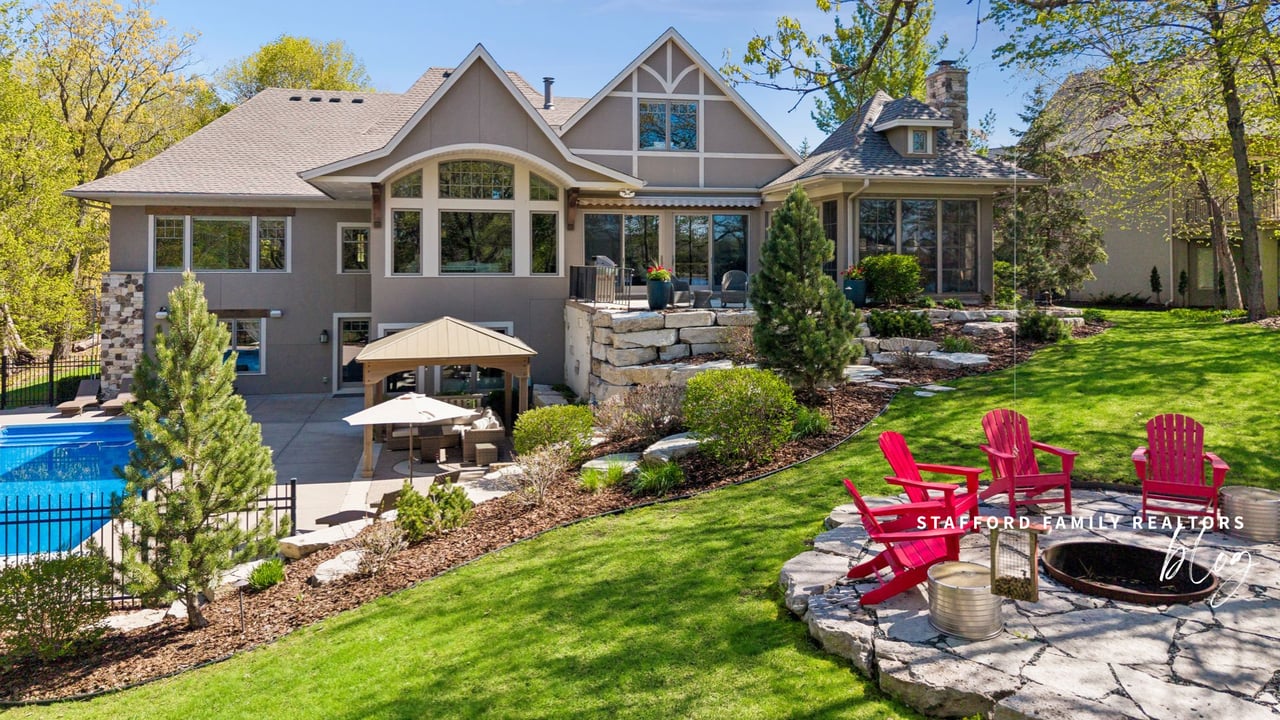
New neighborhoods start with young trees and fresh sod. You may want to budget for extra landscaping to get the look you want. Resale homes often offer mature trees, more privacy, and established neighborhood character.
Pricing, value, and incentives
New construction often carries a premium for new materials and warranties. Builder incentives like closing cost help or included upgrades can narrow the gap. Compare total package value, not just list price.
Customization and choice
With new, you can select finishes, layouts, and upgrades within the builder’s palette. Allowances are helpful but may not cover every wish list item. Resale offers faster timing and fewer variables if the home already fits your needs.
Timing and certainty
With new builds, timing can shift due to weather, inspections, or materials. Spec homes reduce uncertainty if you need a firmer timeline. Resale closings often align more predictably with your move date.
Inspections and disclosures
Always get a home inspection, even for new construction. New homes can have punch-list items, and warranties vary by builder. For resales, review seller disclosures and inspection history to minimize surprises.
Quick checklist before you choose a lot
- Request the current plat and phase map from city planning
- Ask for the builder’s allowance schedule and design center timeline
- Review the sample warranty and how requests are submitted
- Get HOA documents, budget, and fee schedule if applicable
- Confirm property tax estimates and any special assessments n- Verify municipal water and sewer service and any stormwater easements
- Ask about radon testing or mitigation, which is common in Minnesota
- Confirm whether nearby lots are future phases that may stay under construction
- Check commute routes and typical drive times during your hours
How we can help
You deserve guidance that fits your goals, not a one-size path. Our team can help you compare new vs resale, evaluate lots and site plans, and estimate timelines based on the season. We will coordinate with builder reps, answer questions on warranties and allowances, and guide you through inspections and walkthroughs.
When you are ready to explore Chaska’s new-build pockets or price your current home for a seamless move, connect with Stafford Family Realtors. Get your complimentary home valuation and a clear plan for your next step.
FAQs
Where does new construction typically appear in Chaska?
- You will most often find new single-family homes on the city’s edges, with infill townhomes and smaller-lot homes closer to community centers and near key commuter corridors.
How close are new neighborhoods to the Chaska Town Course?
- Many new pockets highlight a short drive and potential trail connections, but distances vary by subdivision, so verify actual drive time, trail access, and future phase plans for any lot.
What timelines should I expect for a new build in Minnesota?
- Spec homes may be ready in weeks to a few months, while build-to-order homes often take 4 to 9 months from permit to occupancy, with winter weather affecting grading and foundations.
What warranties do builders usually provide on new homes?
- Builders commonly offer a 1-year workmanship period, a limited multi-year systems period, and a longer structural warranty often referred to as 10-year structural coverage; ask for written details.
How do new construction allowances work with Chaska builders?
- Builders set dollar allowances for finishes like cabinets, counters, tile, flooring, and lighting; if selections exceed the allowance, you pay the difference, so request the full schedule upfront.
Should I still get a home inspection on a new home?
- Yes, a new home can have punch-list items and minor defects; a third-party inspection helps you document fixes before warranty deadlines.
How do I compare commute access among new neighborhoods?
- Focus on proximity to regional roads, test the route during your normal commute, and weigh convenience against lot size, street quiet, and amenity access to find the right balance.